Writings

Technology, open source, personal essays, and everything that isn't climate.

Maritime Roadtrip Vacation

It's hard to sum up a long and varied vacation, but a map is probably a good place to start. Below is where we stayed, in order, over the course of this epic summer vacation...

By the numbers:

  • Length: 17 days
  • Driving Distance: ~2800 miles
  • Destinations: 5 (plus 2 additional places just to break up the drive home)

This was one of those vacations that was long and varied enough that when we left Cape Breton, and realized we were still a week away from home, we were just amazed. It was the kind of vacation that in it's duration and variety you have large stretches where the world, and even your home, are a foggy memory of the distant past. It's the kind of unwind that I've only gotten a few times, and that gives you incredibly fresh eyes on the world. The fact that I was momentarily confused when unpacking the car to find sleeping bags in it. "We had sleeping bags on this trip? Oh, right, 12 days ago in Fundy."

A Road Trip begins with a Car
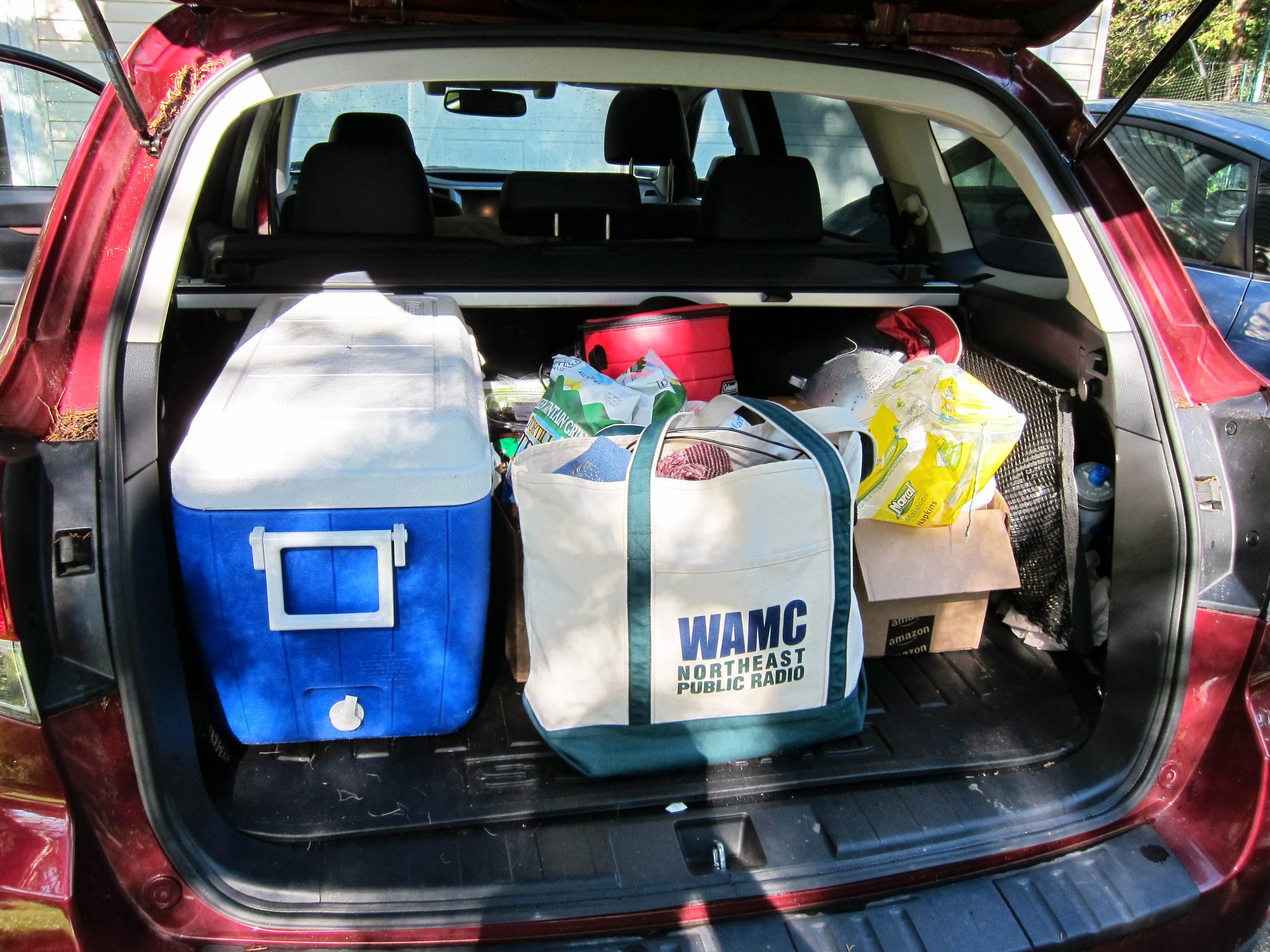
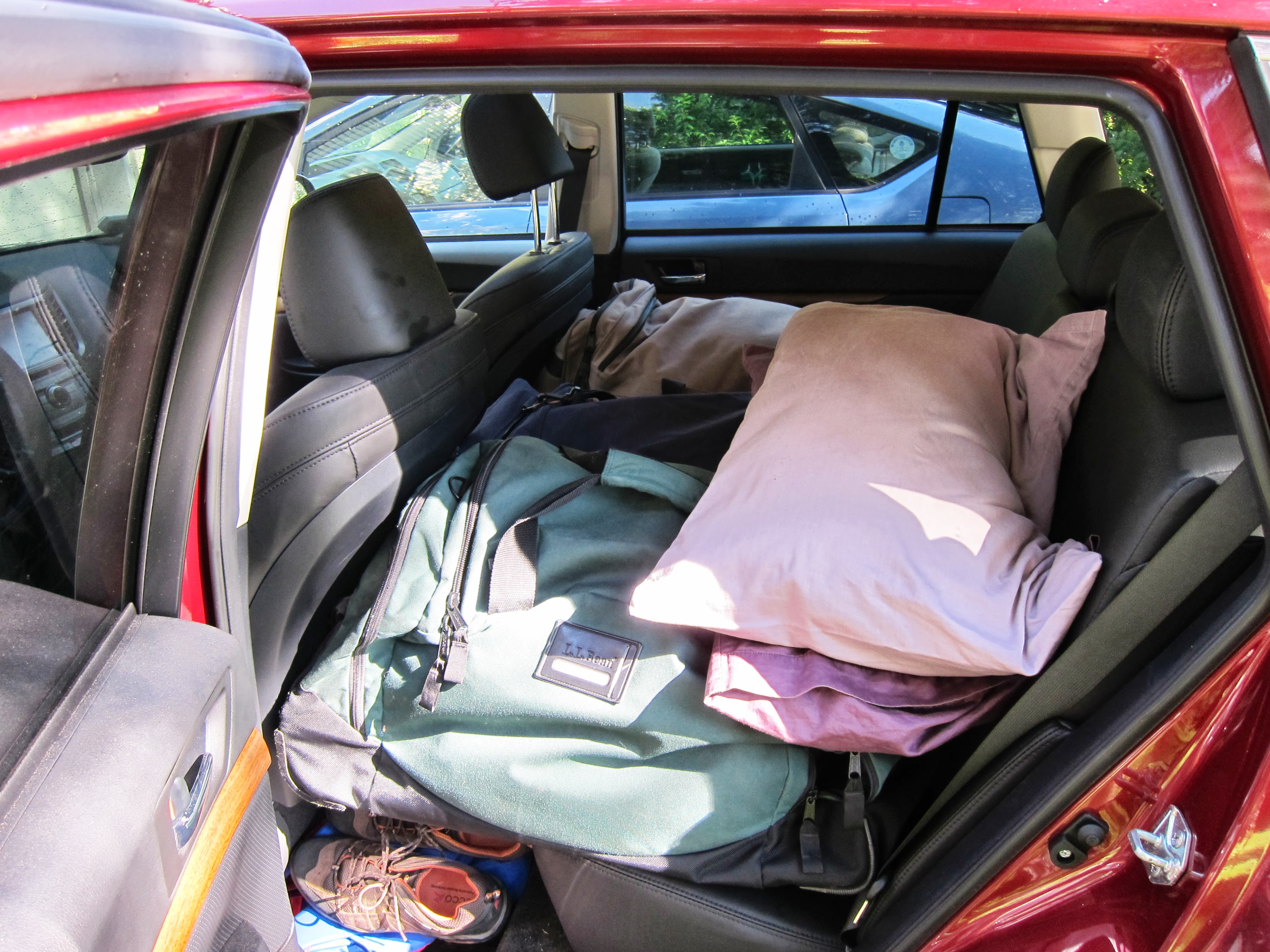
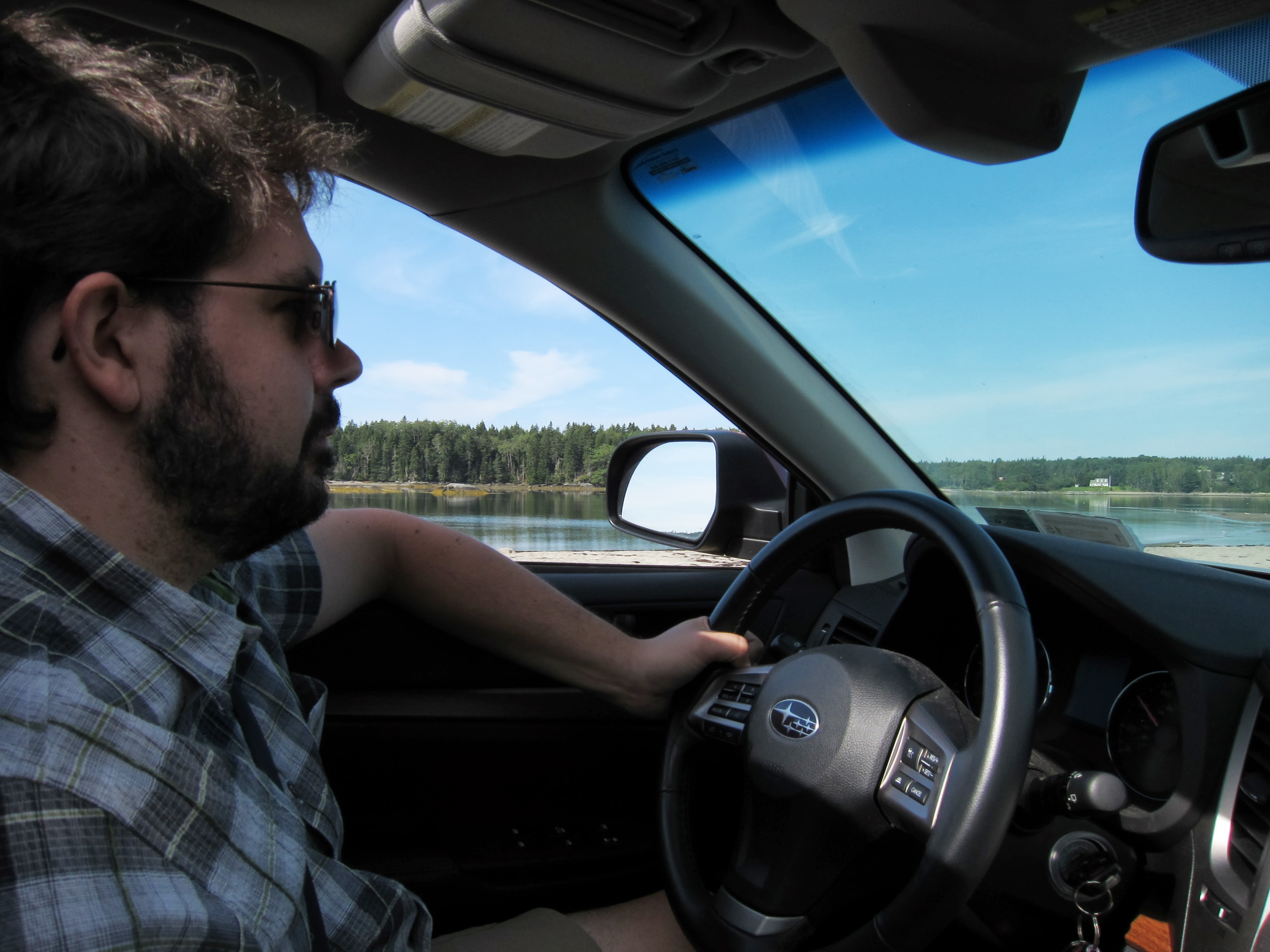
We'd talked about the idea of Nova Scotia a couple of years ago, but at the time I had a Honda Civic, and my wife had a Prius. Neither had quite the space or comfort to want to drive nearly 3000 miles in two weeks. But last fall I got a new Subaru outback, with comfortable leather seats, and adaptive cruise control. The combination makes road trips something that's much more enjoyable. I found my tolerance for distance driving went way up with the adaptive cruise control, as it takes a huge amount of the cognitive load off. This is also a bigger car, with the back seat full of shoes and 3 duffle bags of clothes, and the back packed with a cooler, food, cooking gear, sleeping bags and packs.

Stonington, Maine, the land of Islands (2 nights / 1 day)
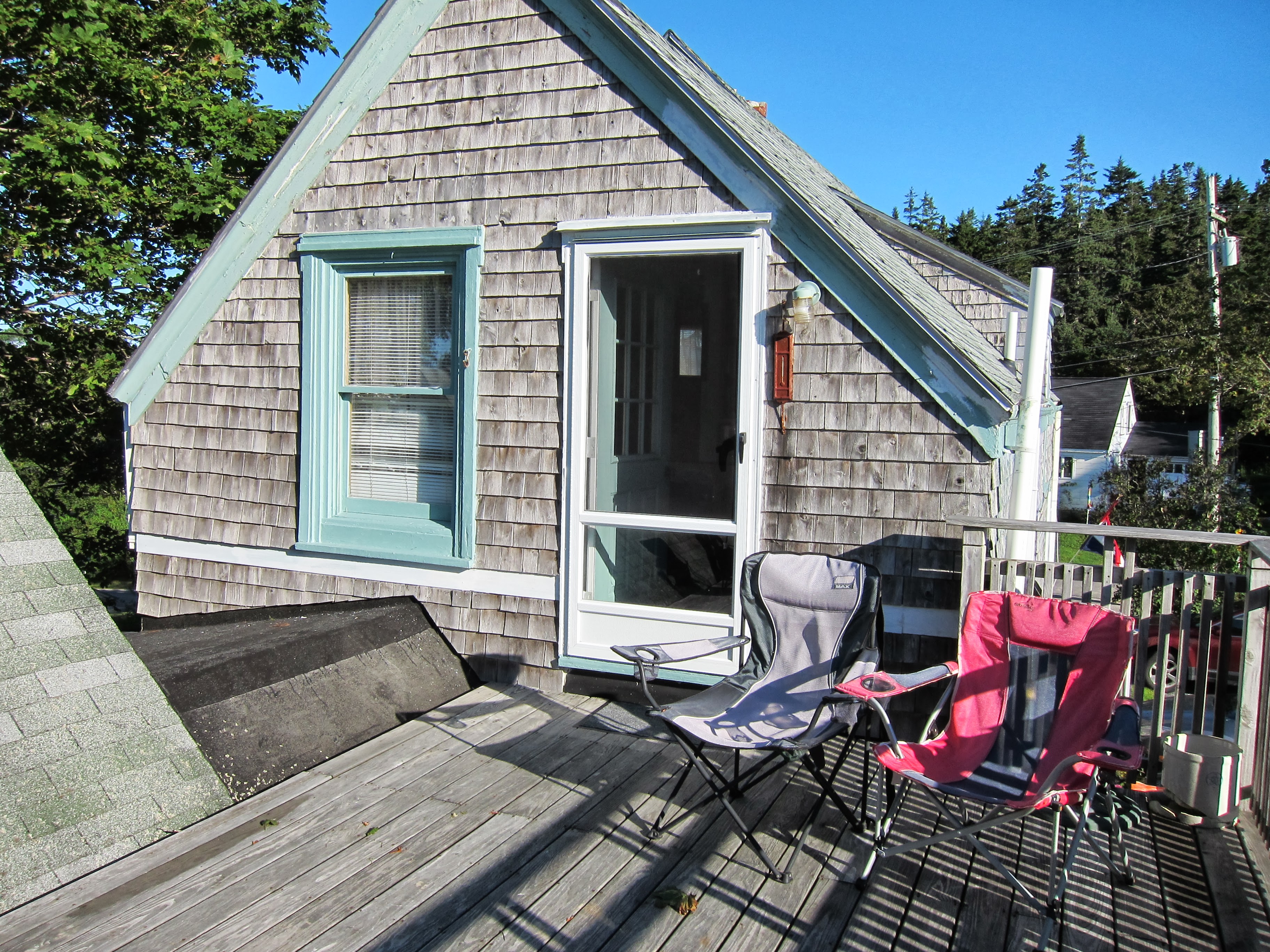
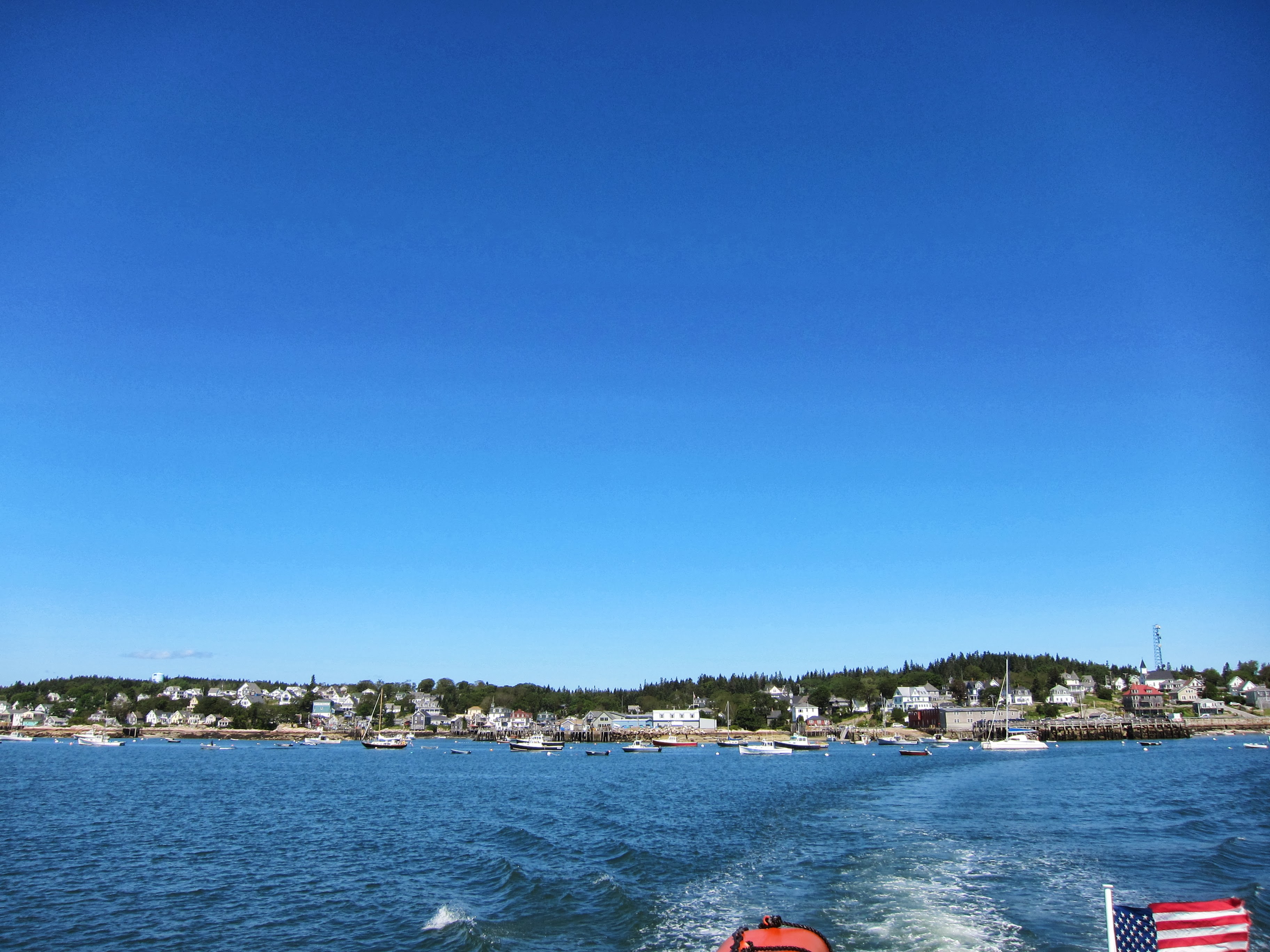
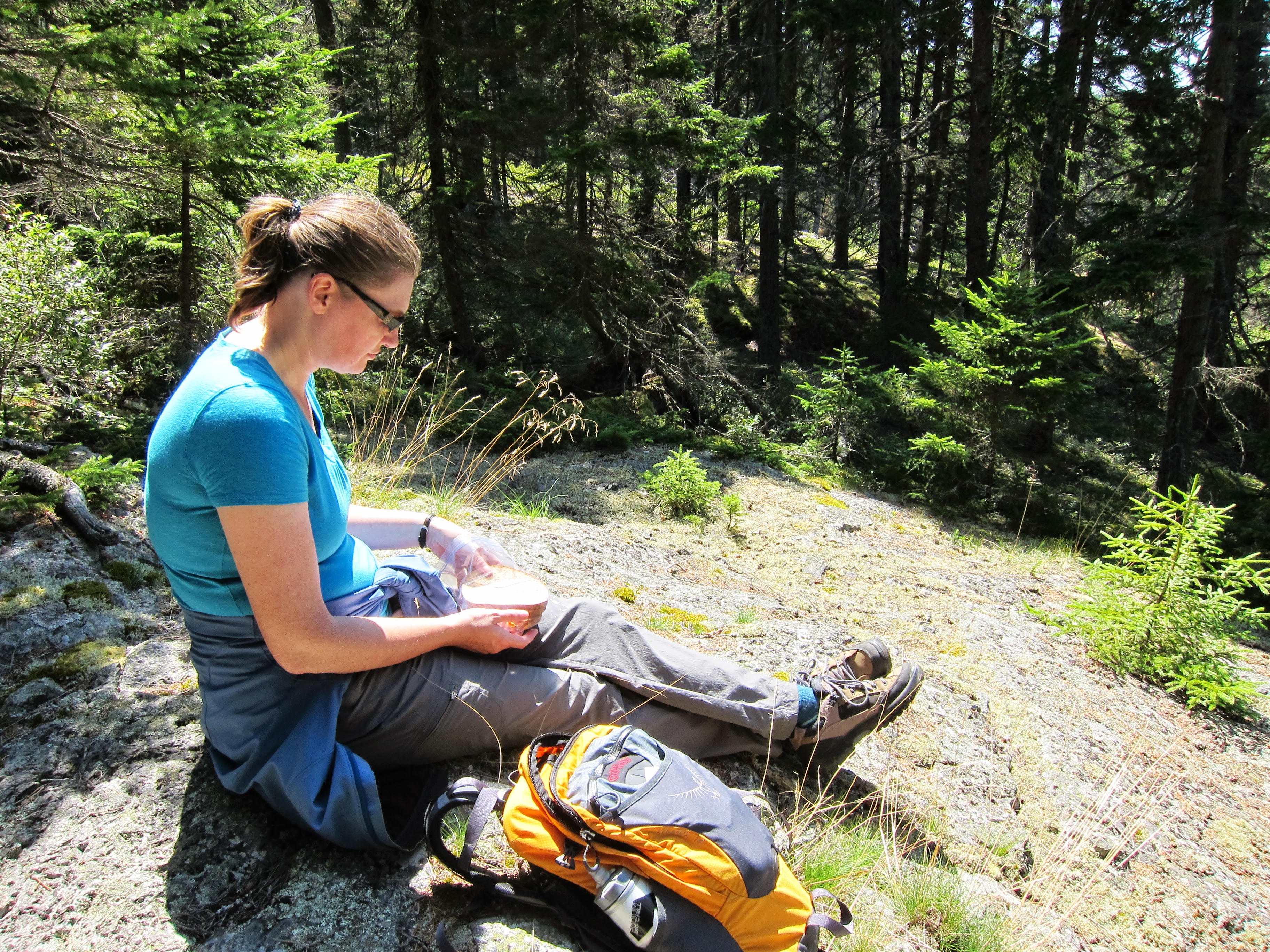
We started our adventure in Stonington, largely based on looking at google maps and realizing that from Stonington we could get to Isle Au Haut by Mail Boat, and hike there for the day. We were booked in at a great little B&B, with a porch view of the bay. Possibly the best meal of the trip was that night at Aragosta, where we sat at the bar. Their "reservations highly recommended" was no joke, as far as we could tell they were already booked a few days in advance when we go there.

The first snafu of the trip happened when we found that 10am Mail Boat was sold out (did so by 9am), so we ended up on the 11:30 instead, which meant a slightly different hike. As far as adjustments, it was a minor one. Isle Au Haut also sports the Lobster Lady food truck, where we had home made ice cream sandwiches, made with home made ice cream, and home made cookies. Soooooo good.

I'd love to come back to Stonington, and bring our Kayaks. The island chain leading out to Isle au Haut would be amazing in good weather to pluck from one to the other over the course of a day.

Fundy National Park - land of tides and yurts (3 nights / 2 days)
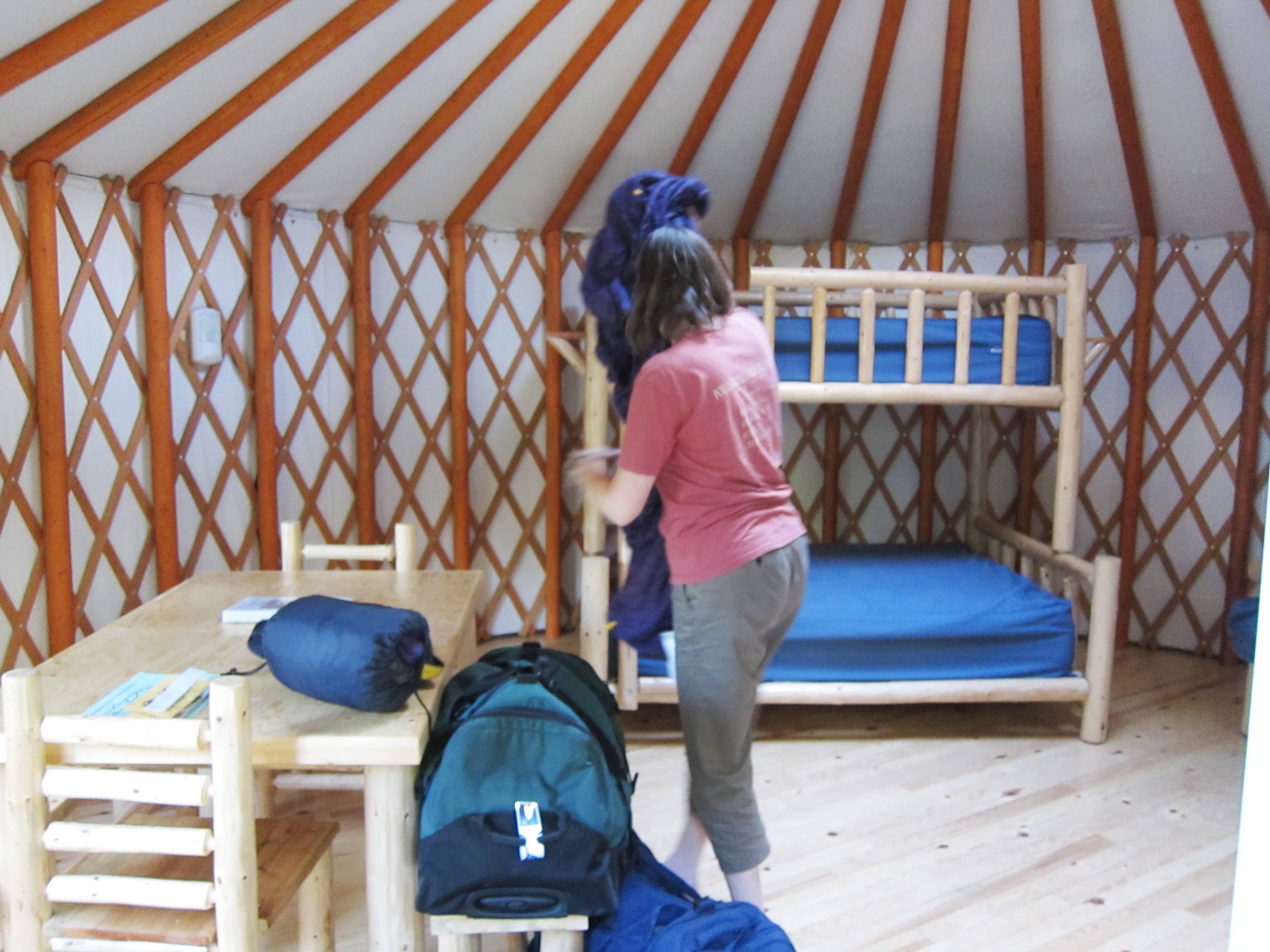
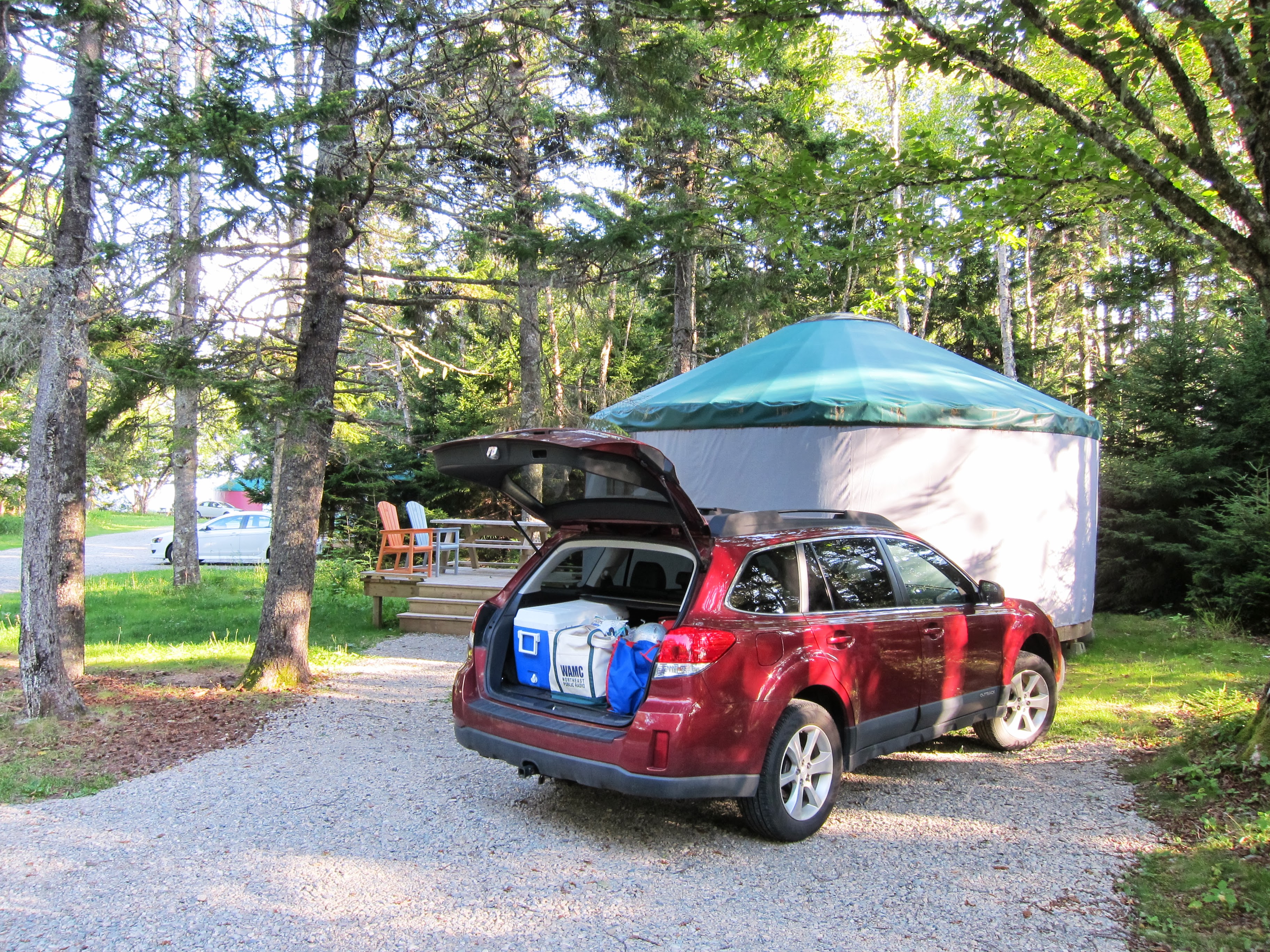
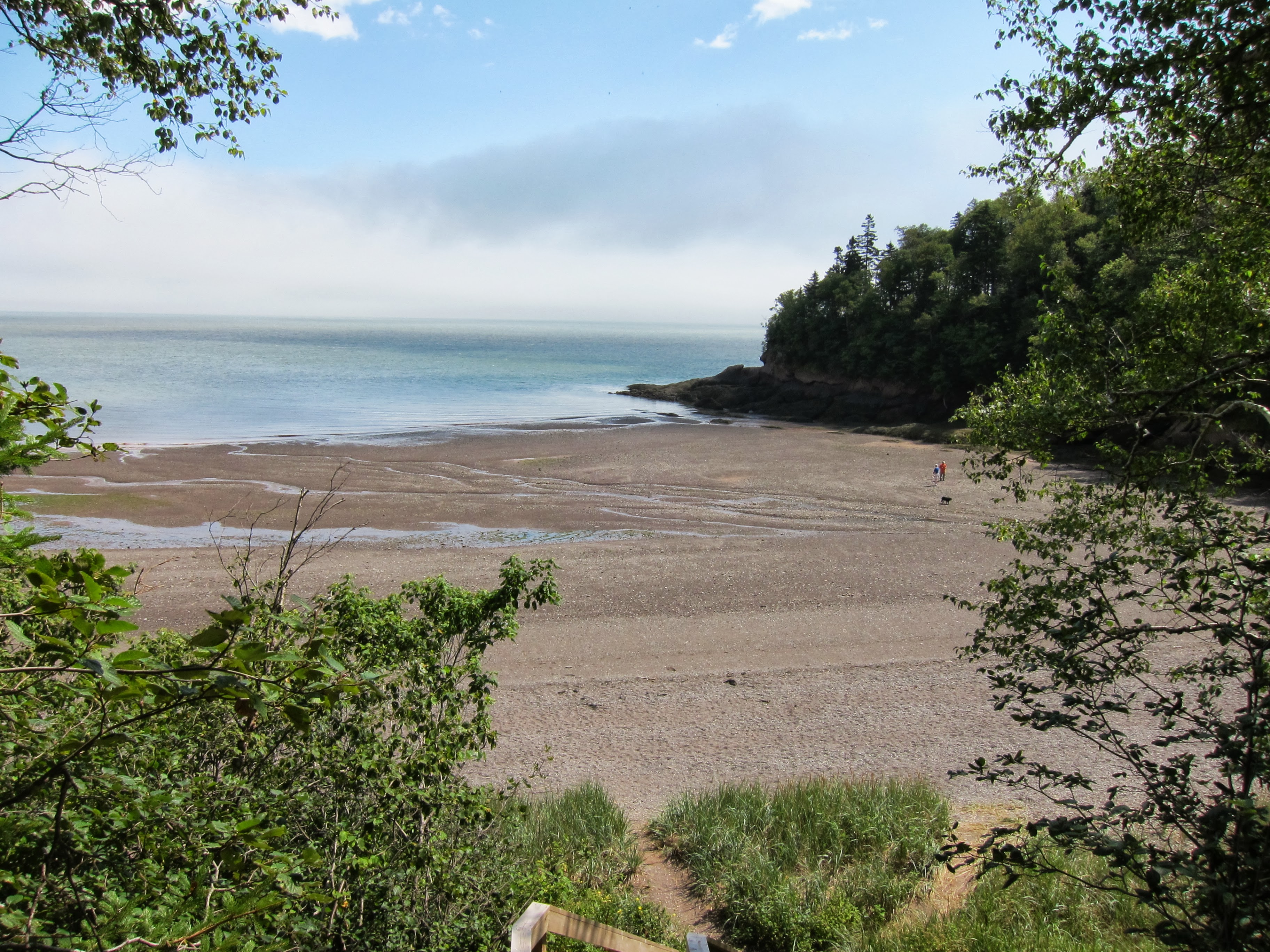
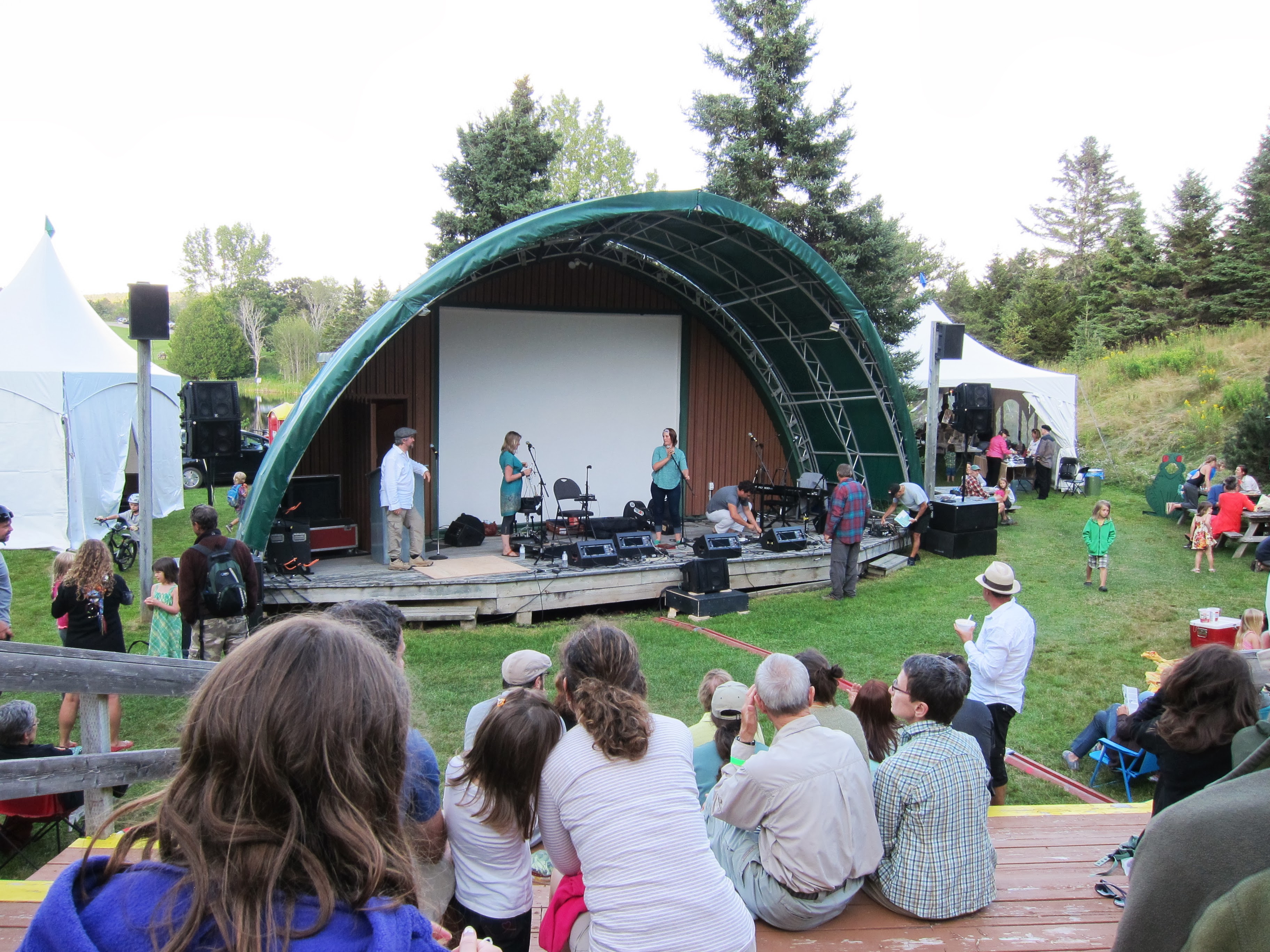
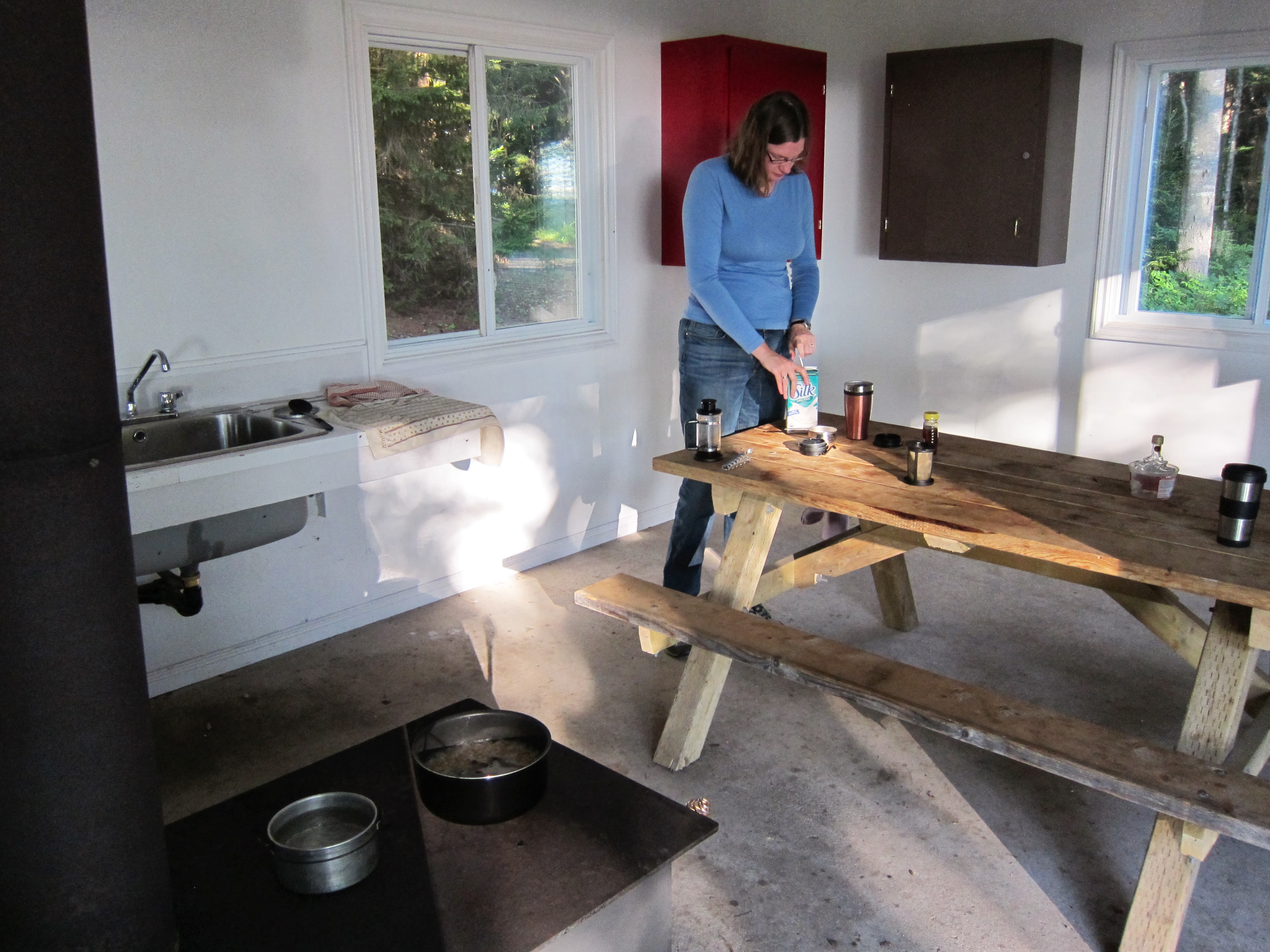
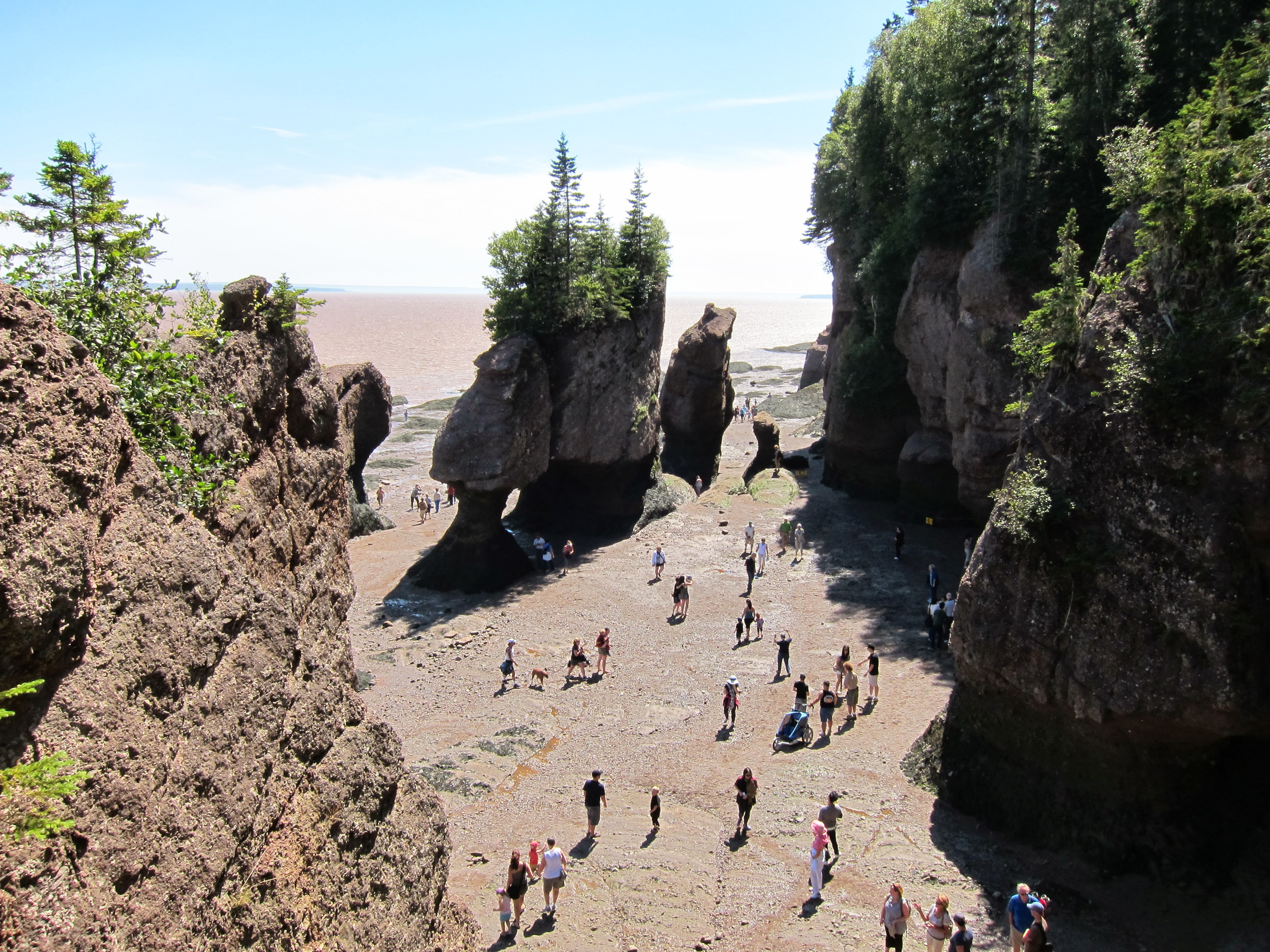
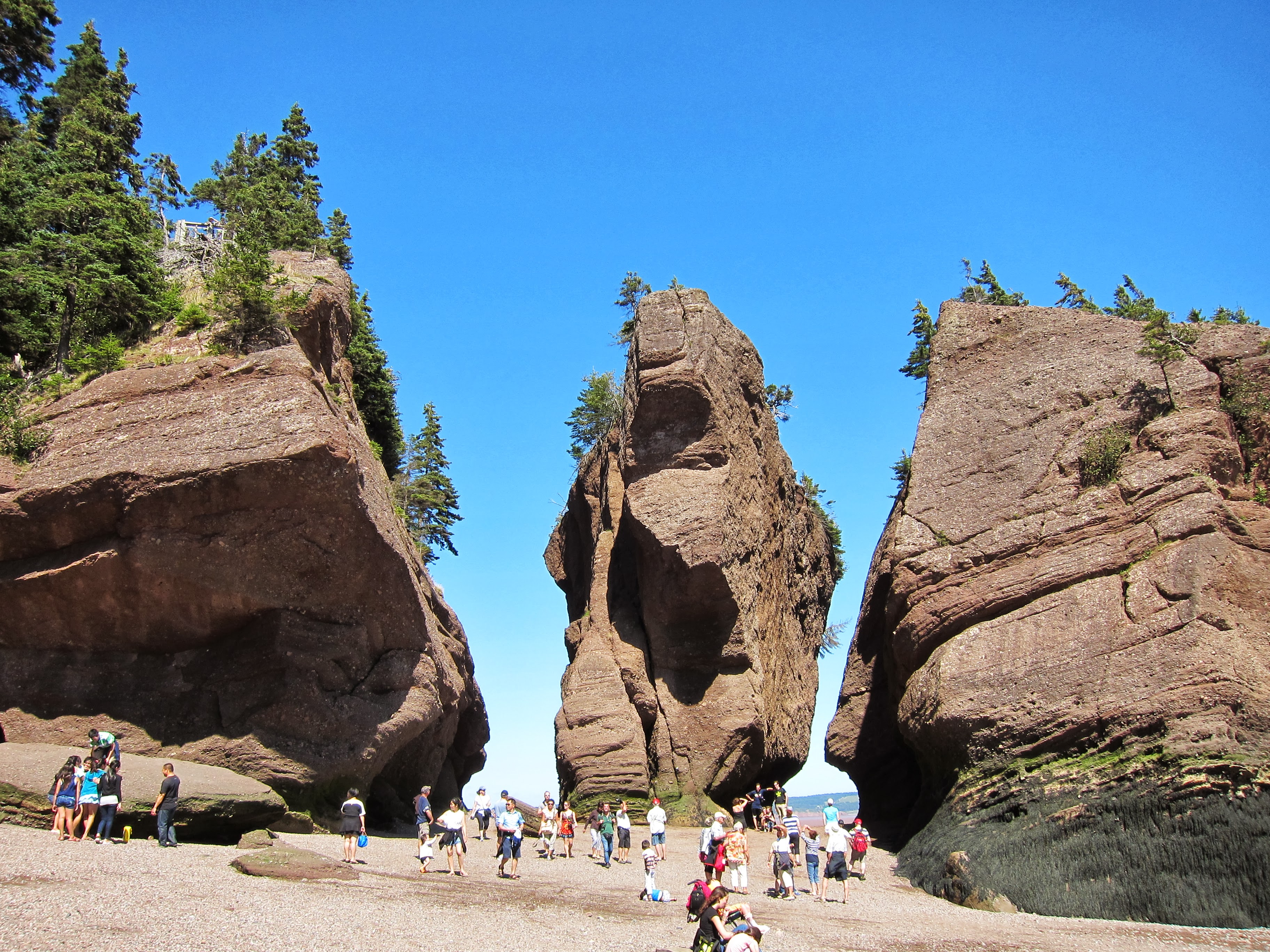
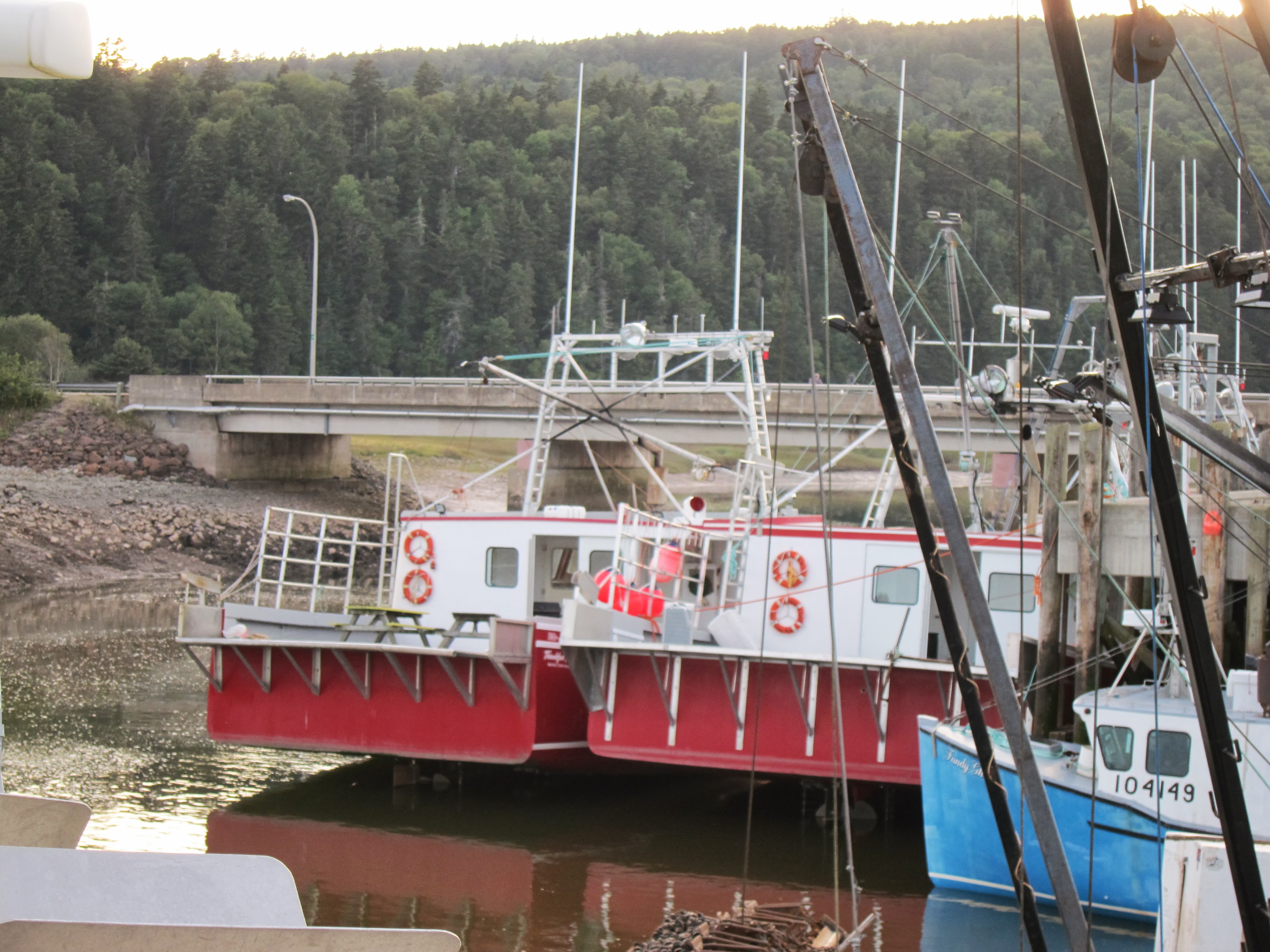
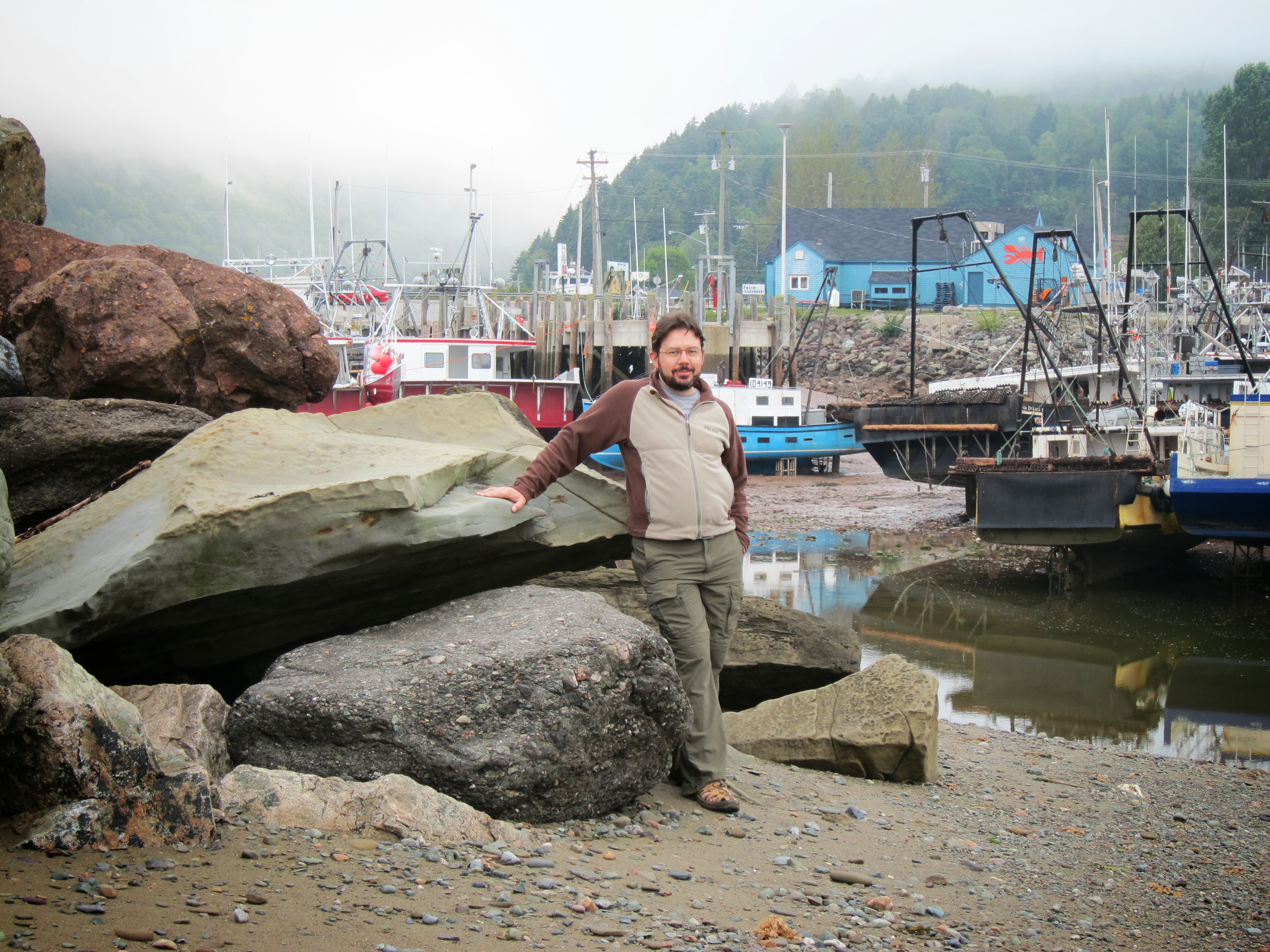
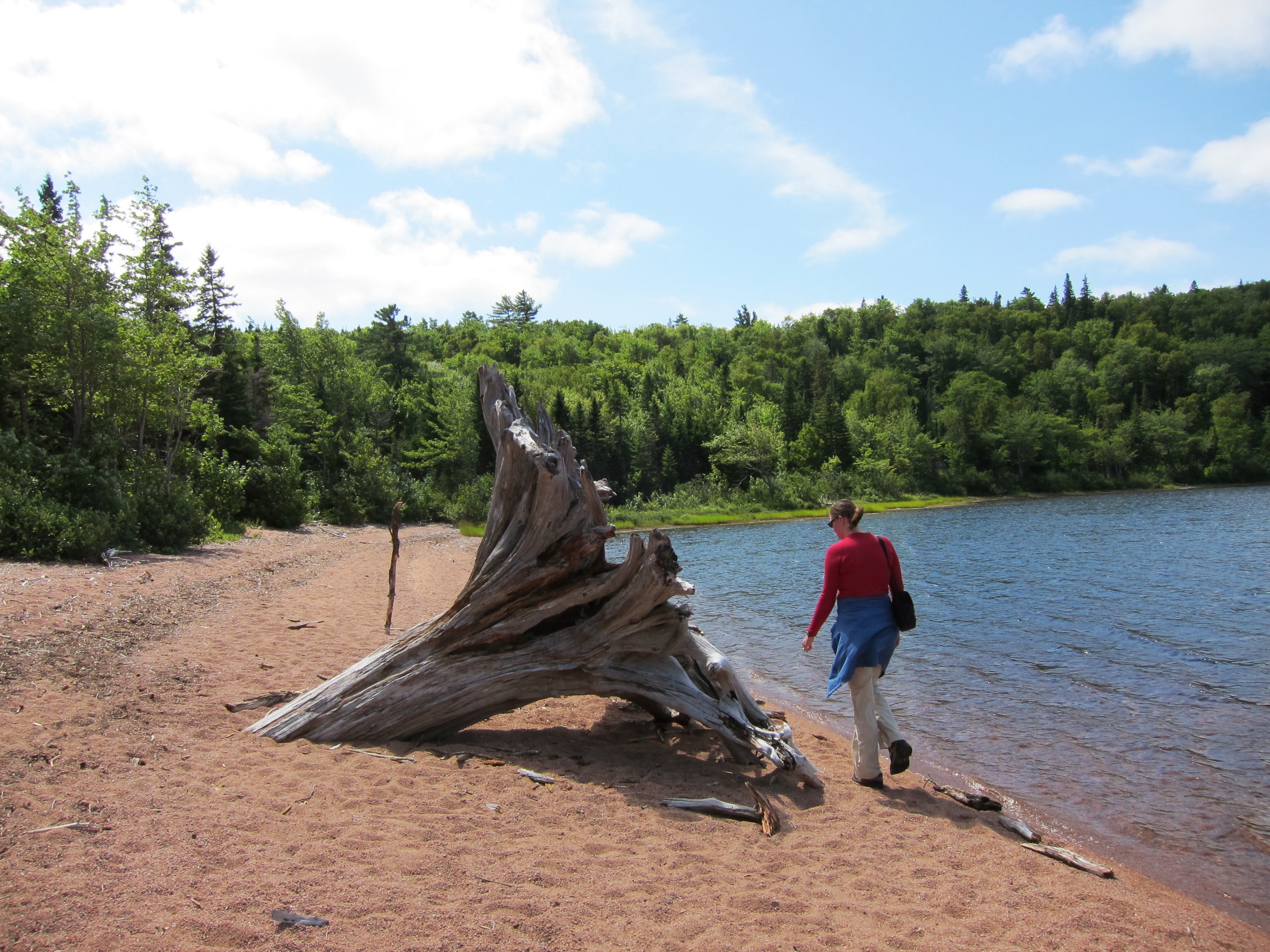
We stayed in a yurt, and cooked on a wood fired cooking stove. By itself that would have been enough to make this awesome. However then you throw in the legendary Fundy tides, the hiking, happening to be there during a music festival, which we caught one act of, and Hopewell Rocks, and I probably could have gone home after this point satisfied that this was a pretty good vacation.

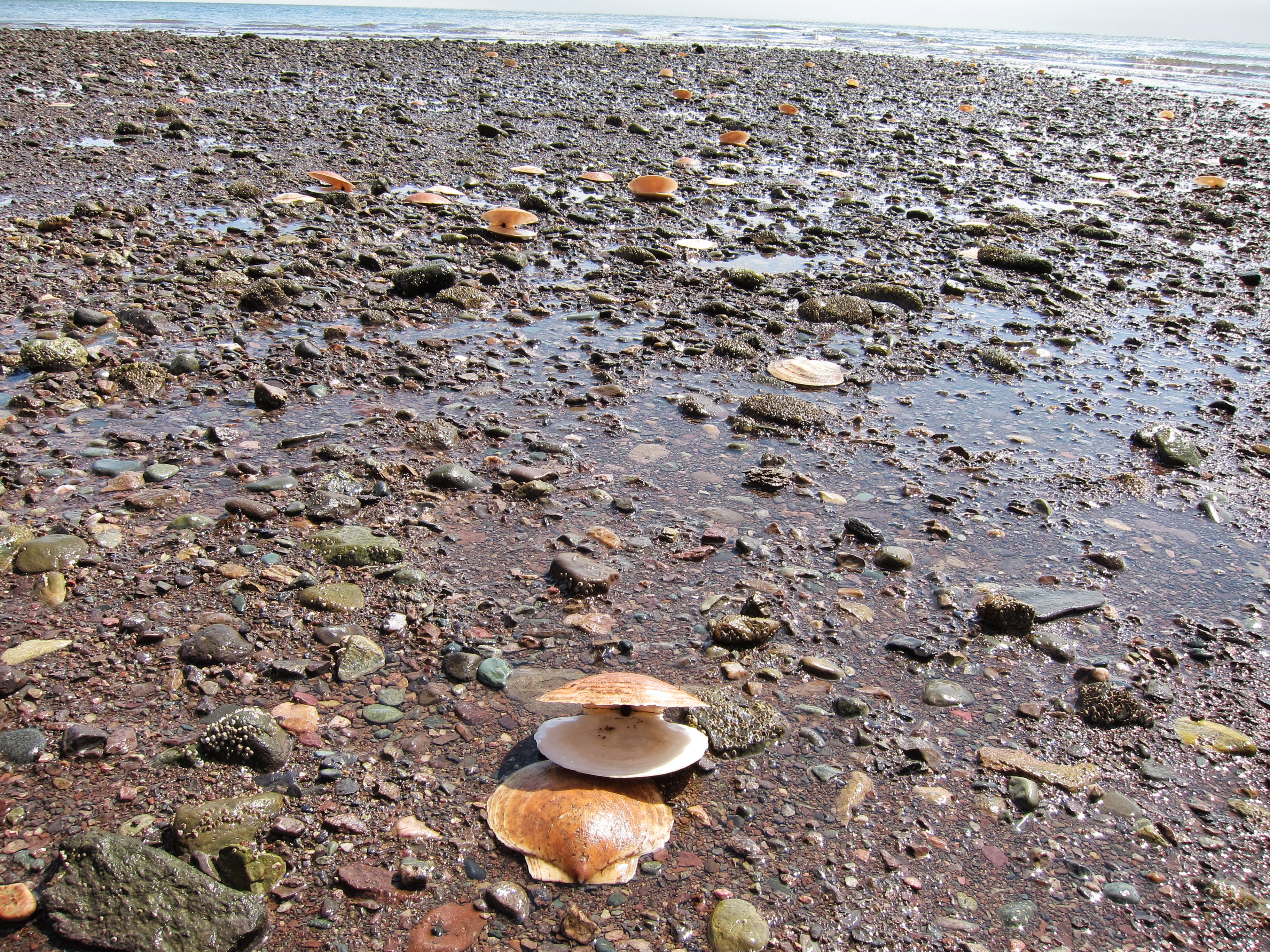
Hopewell Rocks was my single favorite outing during the trip. It's like Arches National Park except underwater half the day. On a future trip I'd love to Kayak the rocks at high tide, eat lunch, then hike out on them at low tide.

Fundy is where the vacation finally took hold. We were out and away from everything, days drive from home, in a Yurt with no electricity, enjoying the quiet of the park and being amazed by the ever changing landscape.

Next time we'll have to stay longer, there is so much hiking in the park to do, and large parts of the park we never even got to. I'd love to actually get a group of friends together and take over the Yurt colony for a week.

Cape Breton - world's end (4 nights / 3 days)
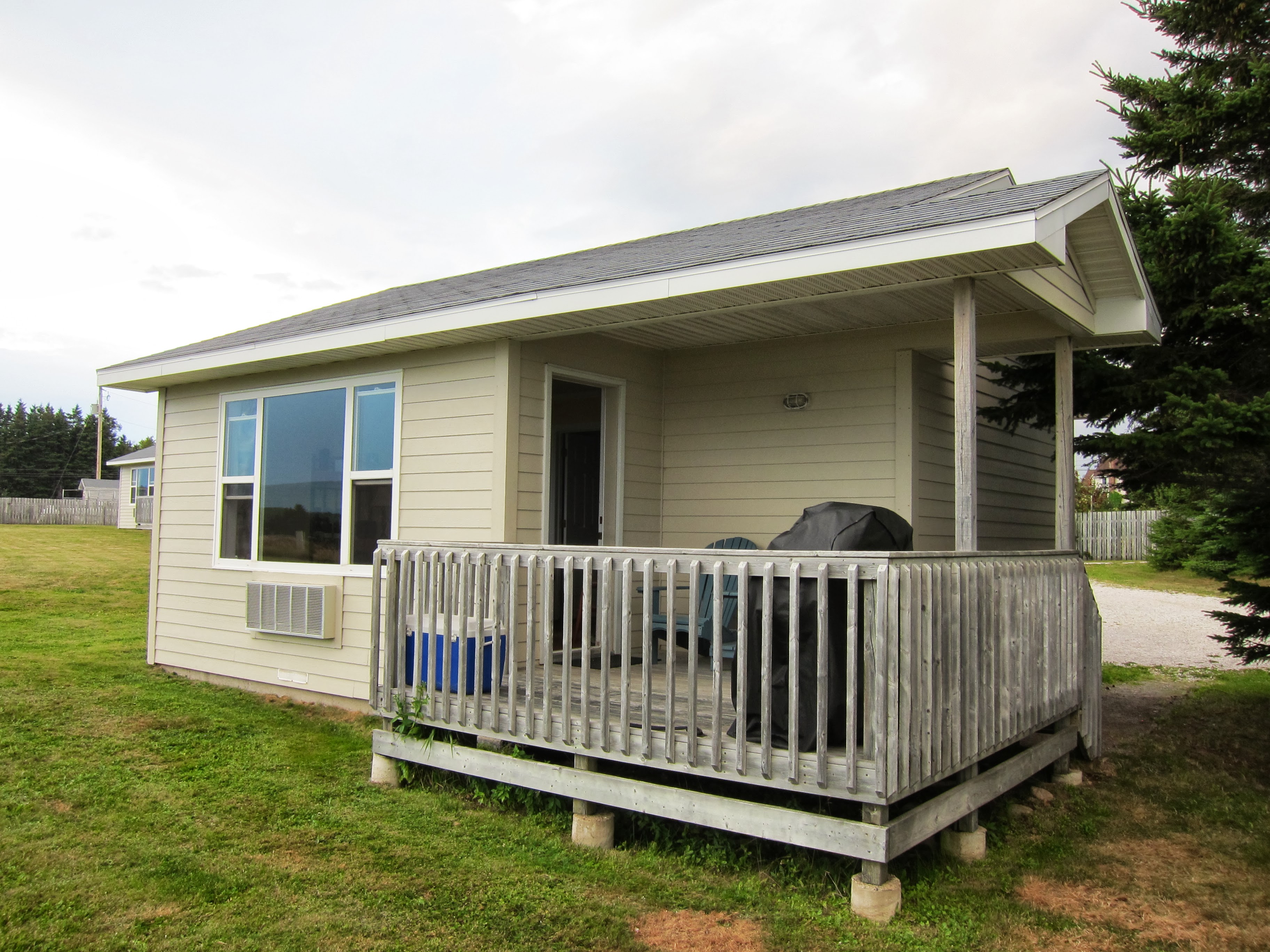
The cabin we stayed at in Cape Breton was my favorite place on the trip. Every morning I would wake up before Susan, make a cup of coffee in my travel french press, sit out on the porch in the adirondack chair with my tablet to read a book, and watch the morning unfold over Ingonish bay. There was a calm and peace to it that you only get days from home, with my last work day now a week and 2 adventures in the past. Adding to the cabin experience was the incredible provided breakfast, using fresh tomatoes from the vegetable garden on site, and the fact that we were brought a seafood appetizer every afternoon.

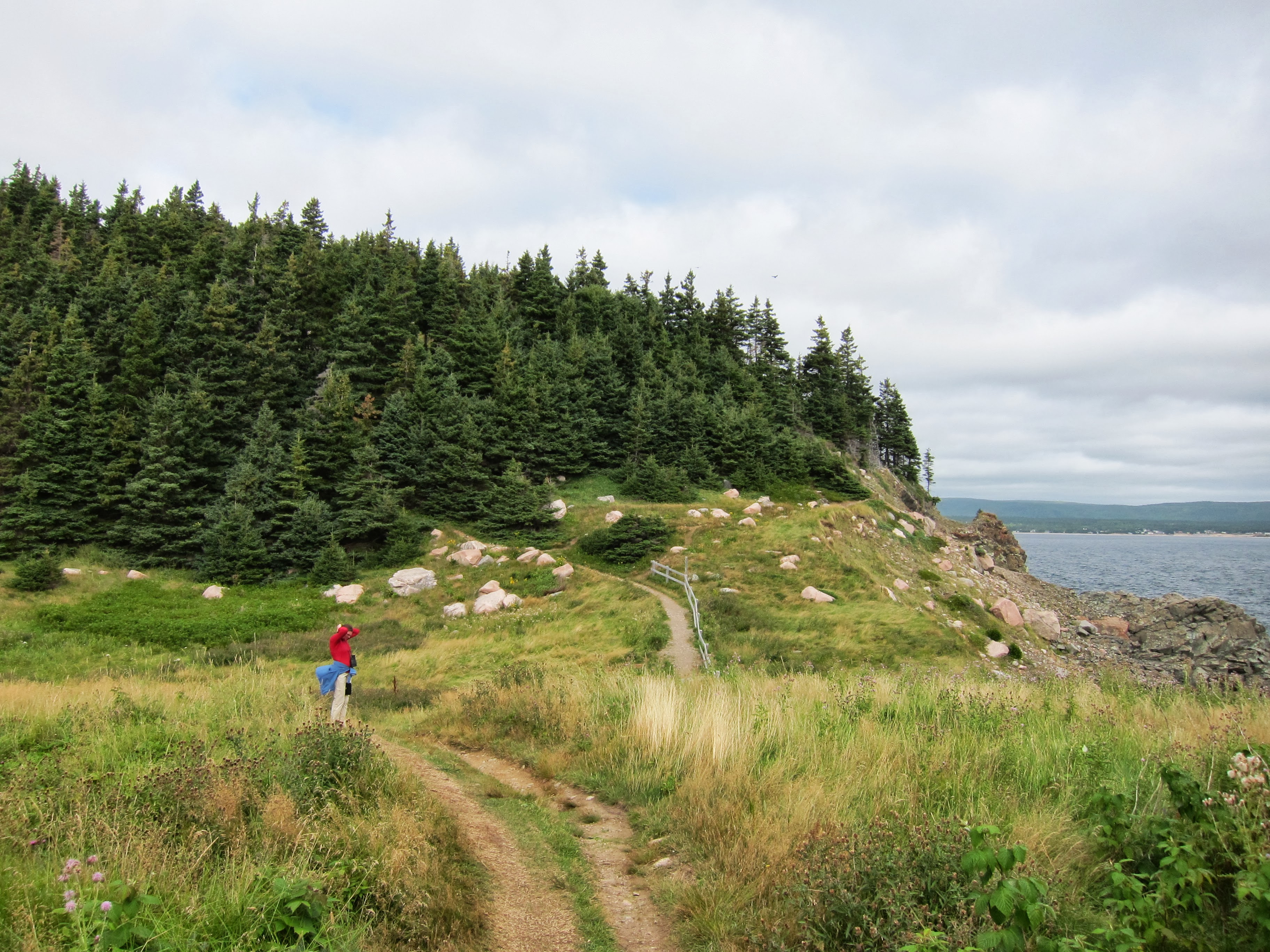
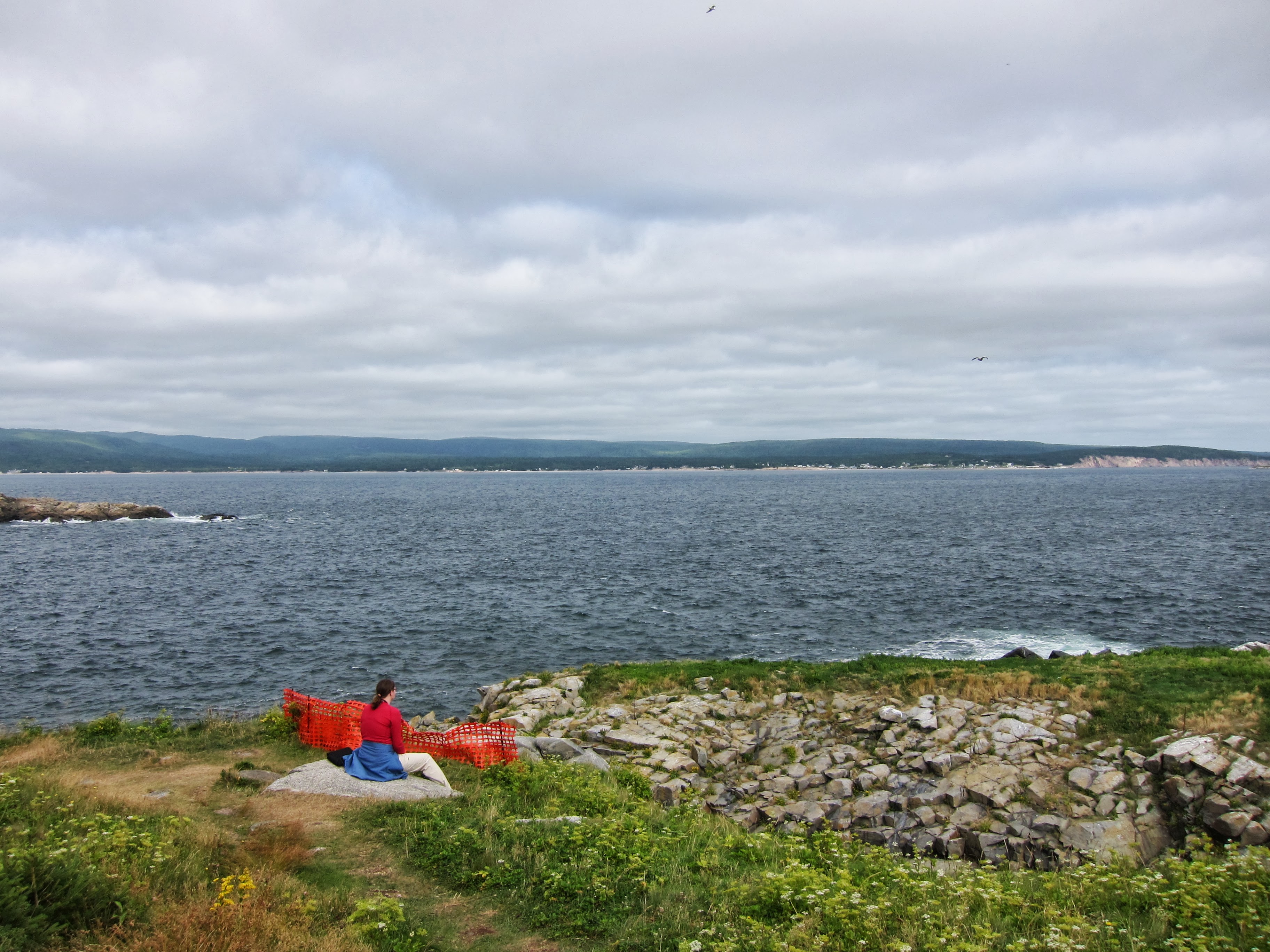
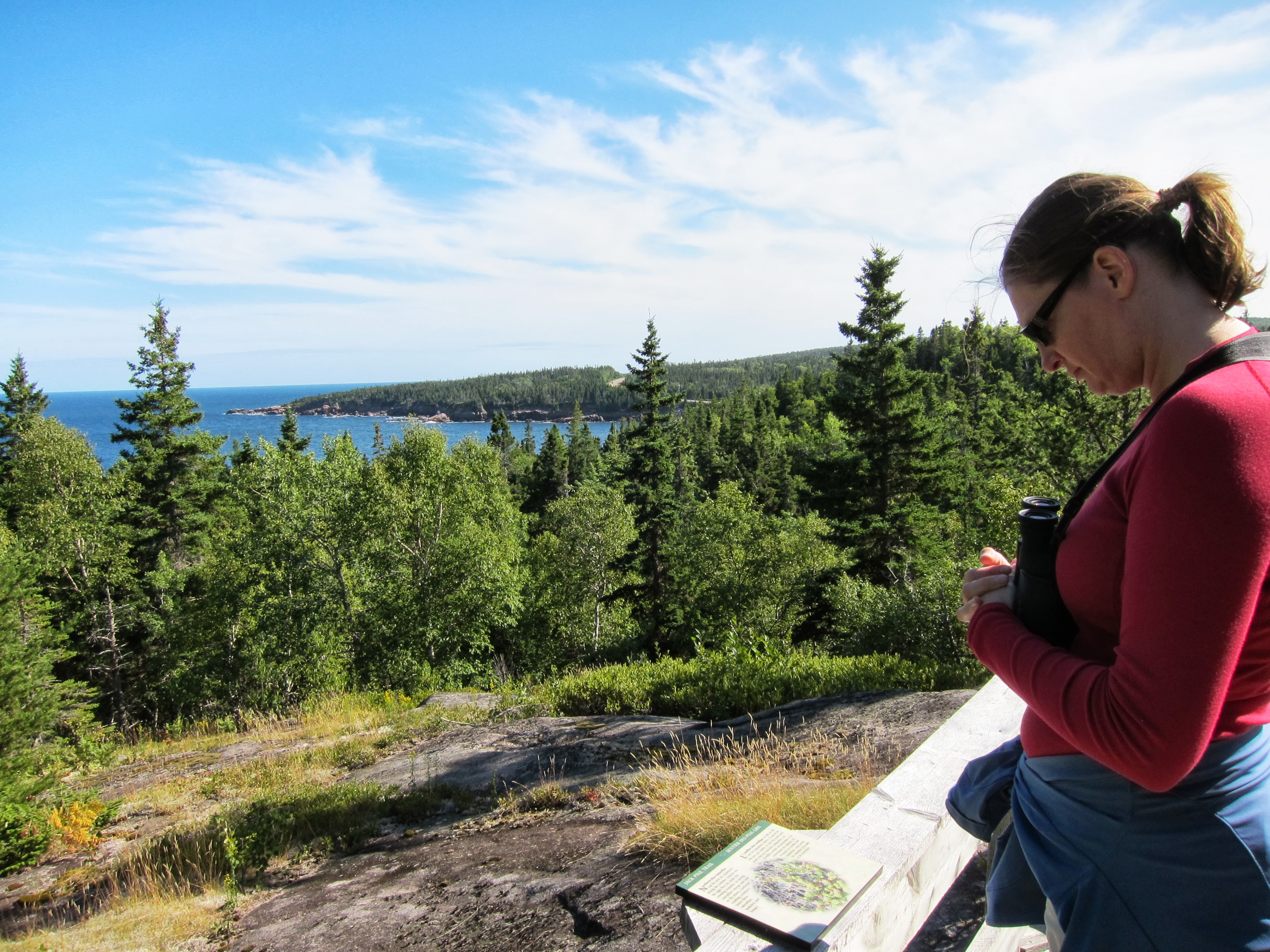
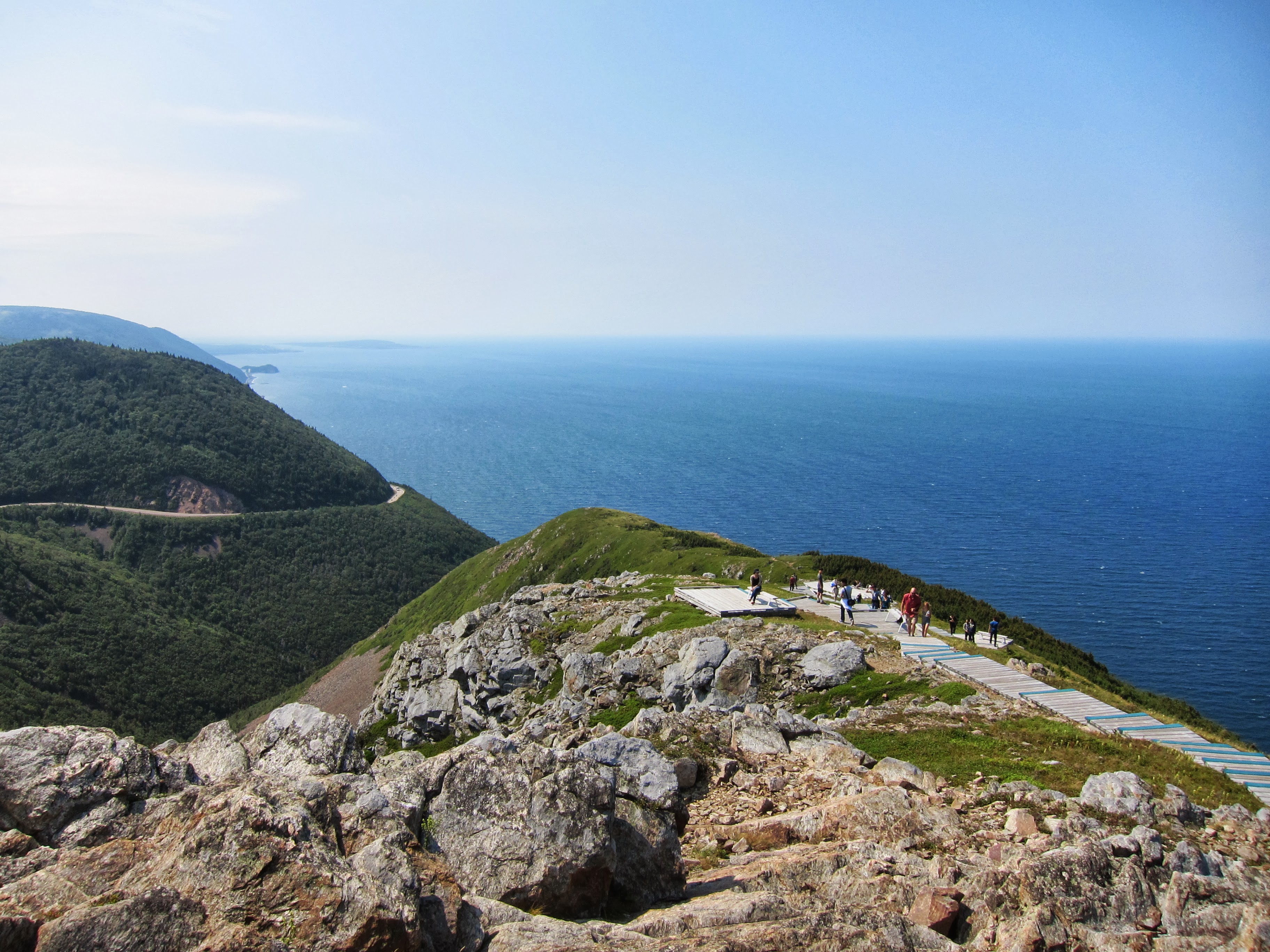
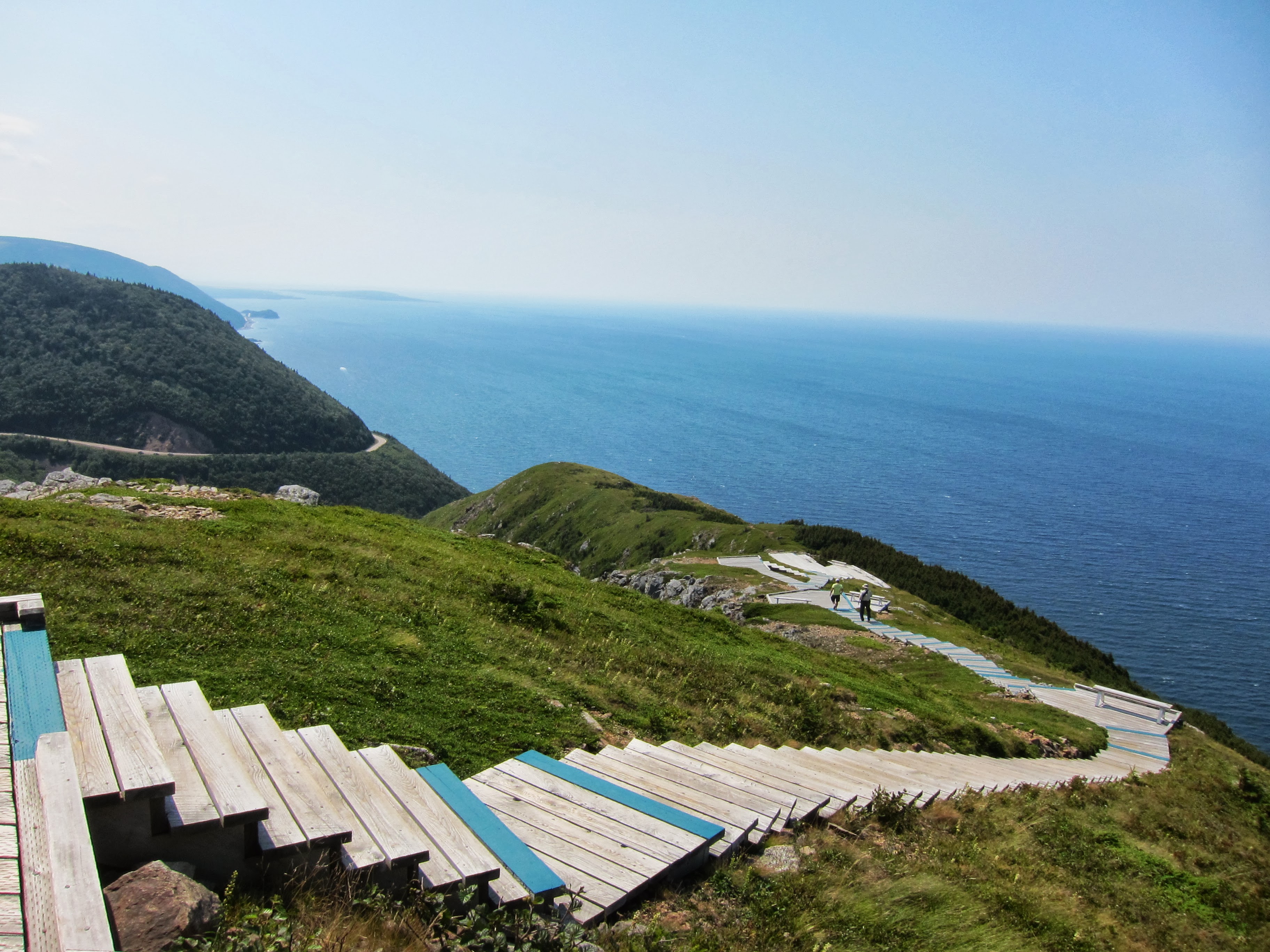
Cape Breton is a land of eagles. We never went a day without seeing a bald eagle. We did 3 pretty solid days of hiking, 2 near Ingonish, and 1 on the other side of the cabot trail (1.5 hrs drive each way) to take in the Sky Line trail. We saw moose, both in the road and in the woods. We saw porpoises at a distance through binocs, from atop a mountain. It was just amazing.

We will come back here. I wouldn't change much about this part of the trip, except time. Take much more of it there.

Interlude: BaKED in New Glasgow

On our way off Cape Breton towards Halifax, in the first rain we say the entire trip, we stopped at BaKED in New Glasgow for lunch. Yay for Tripadvisor and Google Maps helping me find this place. Incredible food, lots of vegetarian options for Susan, and a great bakery case. This place is worth going out of the way for if you are ever in that part of Nova Scotia.

Halifax - back to civilization (2 nights - 2 days)
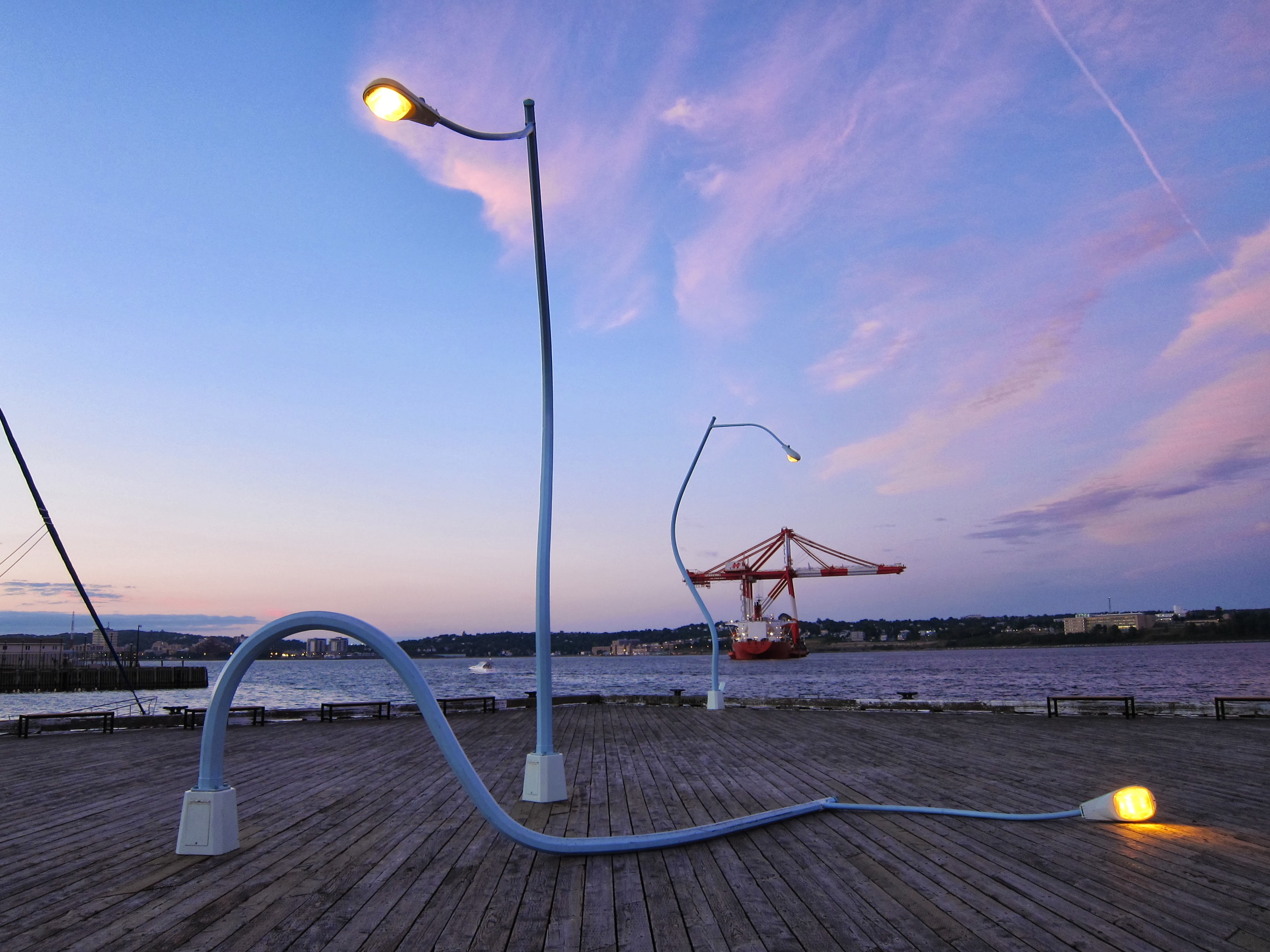
After the isolation of Cape Breton, the bustle of Halifax was actually a little jarring. Calendar wise I wanted to put us there on a weekend to get a flavor for the city, but this was the least smooth transition of the trip, and one I'd probably avoid in a future itinerary.

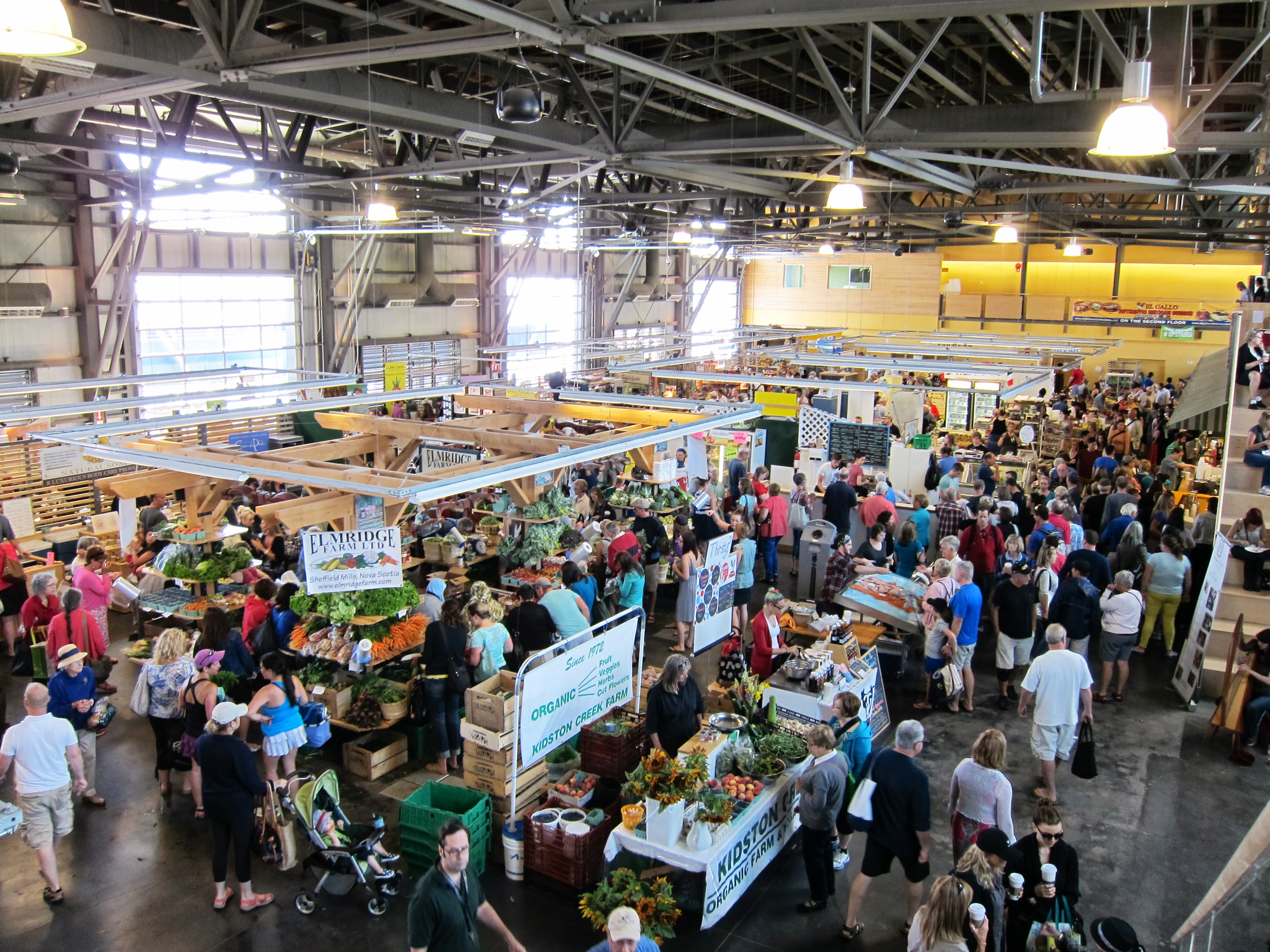
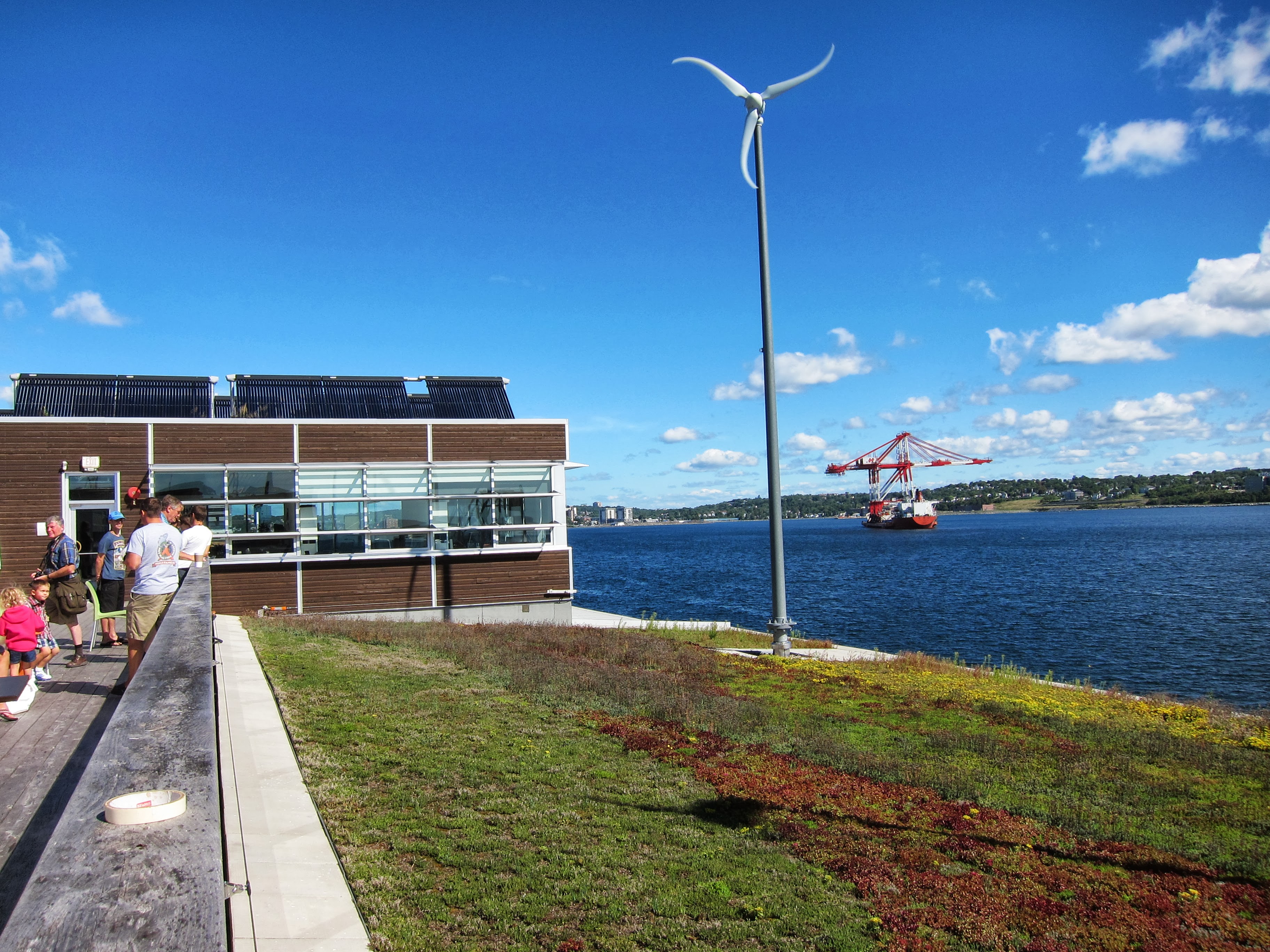
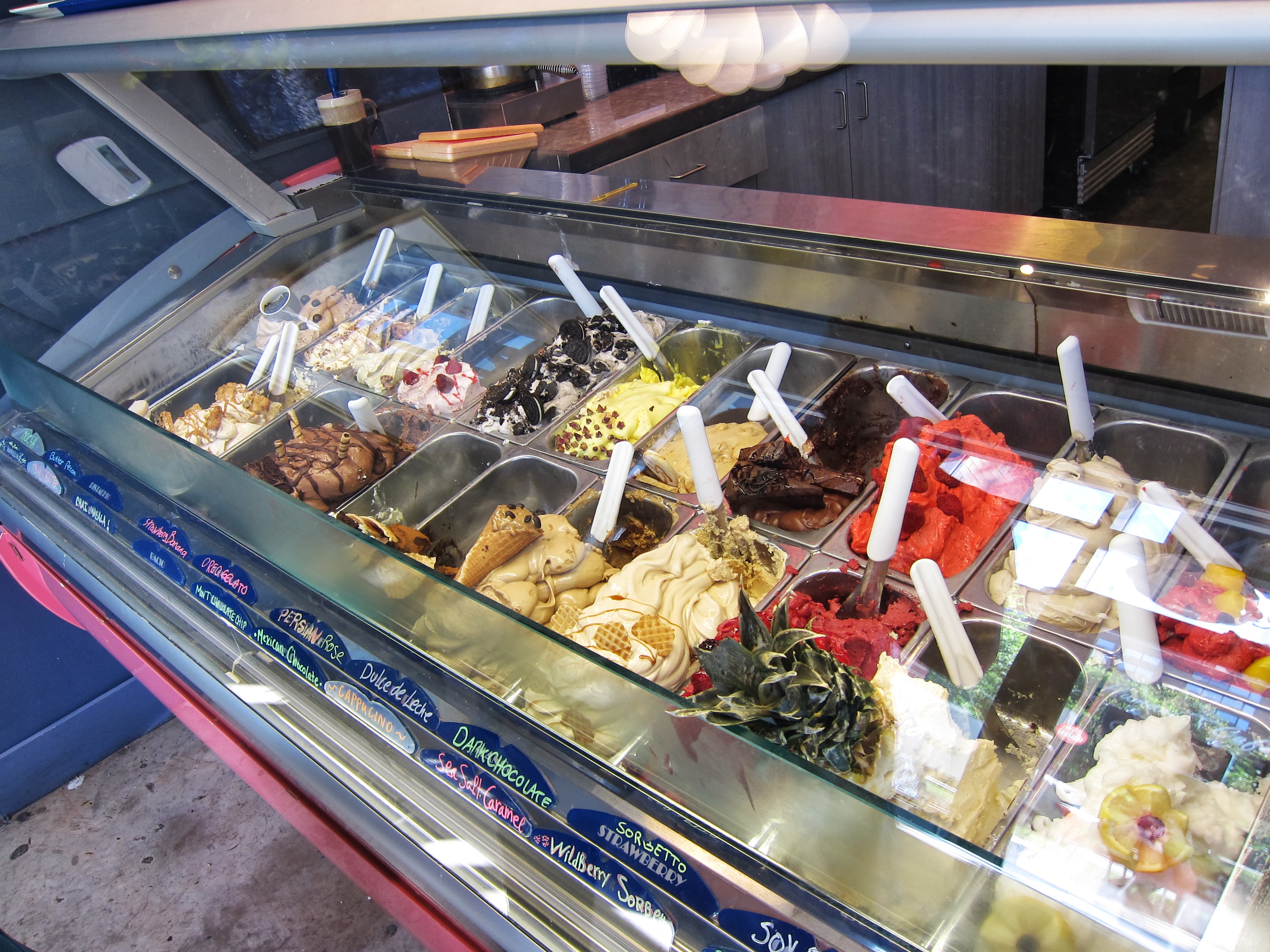
Halifax is a pretty cool city, we had a nice and very talkative inn keeper a little north of town. She was extremely helpful in pointing out things we might want to check out. Halifax was a lot of walking, a lot of good food and beer. The city market was the best I'd seen, and a lot more functional than most. We ate lunch there on top of the building, with a green roof and windmills. We discovered the most amazing gelato / bakery / tea shop in the world. I'm actually surprised I got Susan out of there.

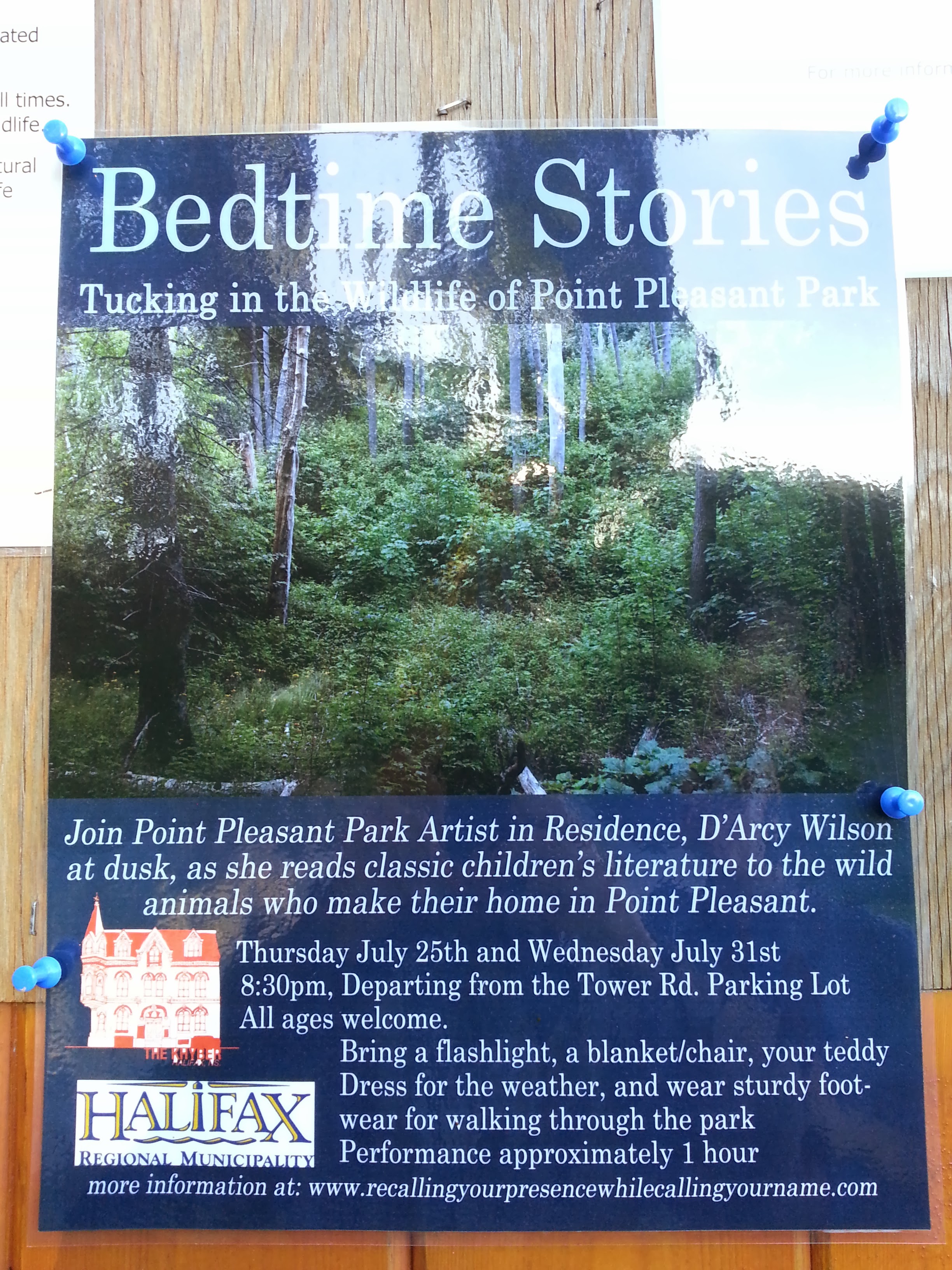
We also had the most unexpected part of the vacation in Halifax, wandering through the main park on our last day we came into an area where an old man had slipped and fallen off a trail, and was bleeding from the head. His son discovered him just about the time Susan and I were both realizing something was wrong, and the two of us proceeded to help until the paramedics arrived.

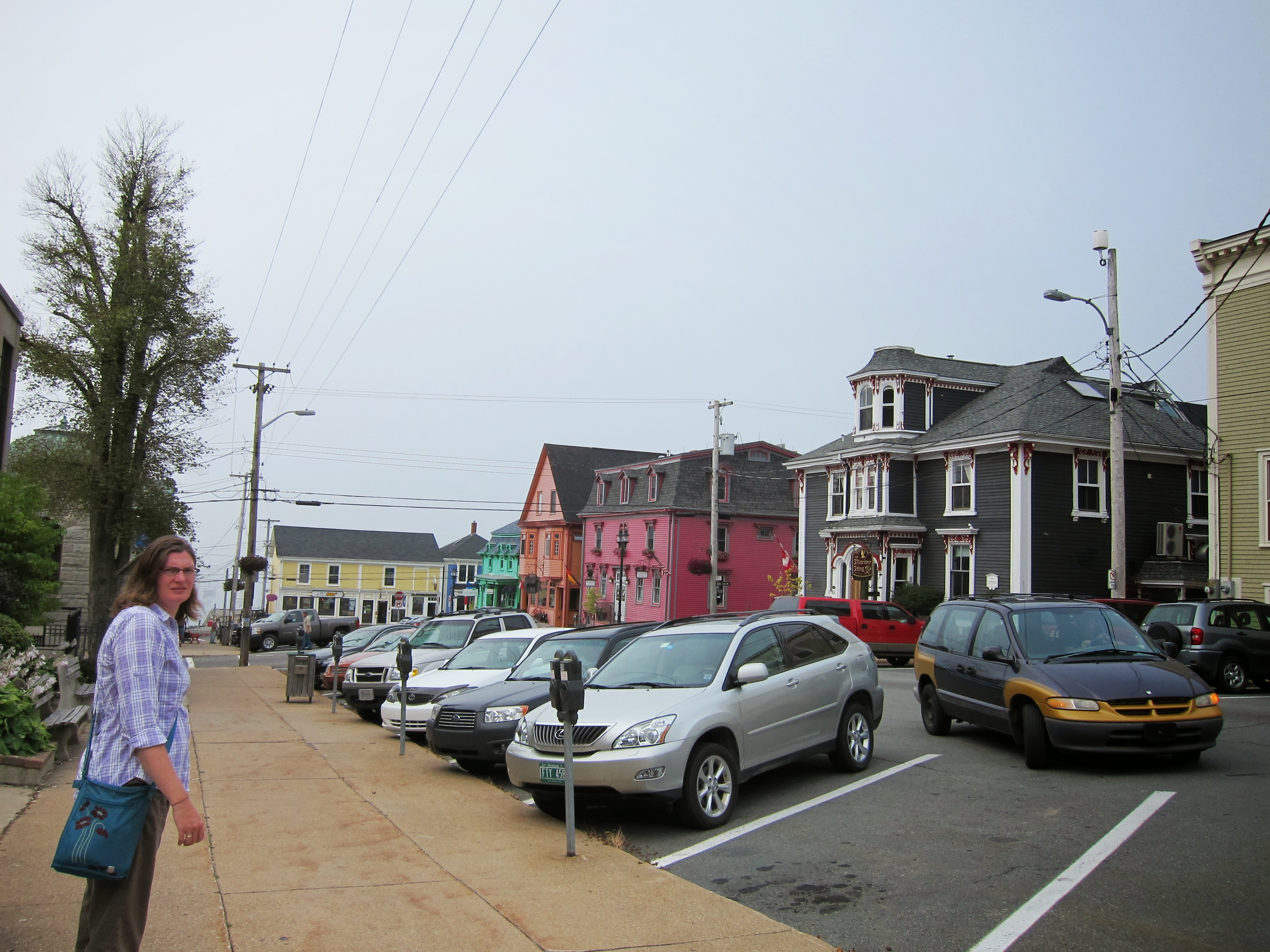
Lunenburg - a town of history (3 nights - 2 days)
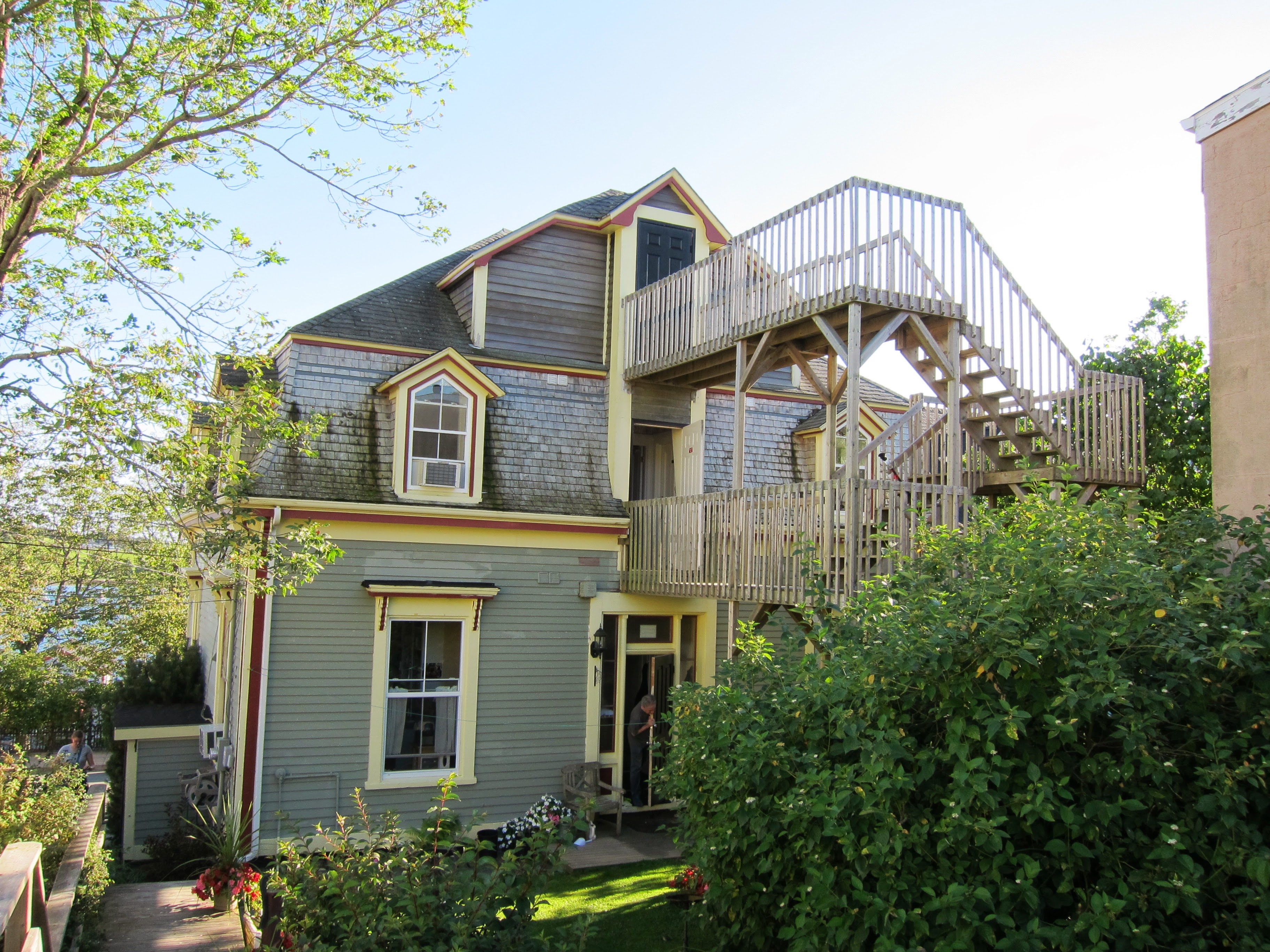
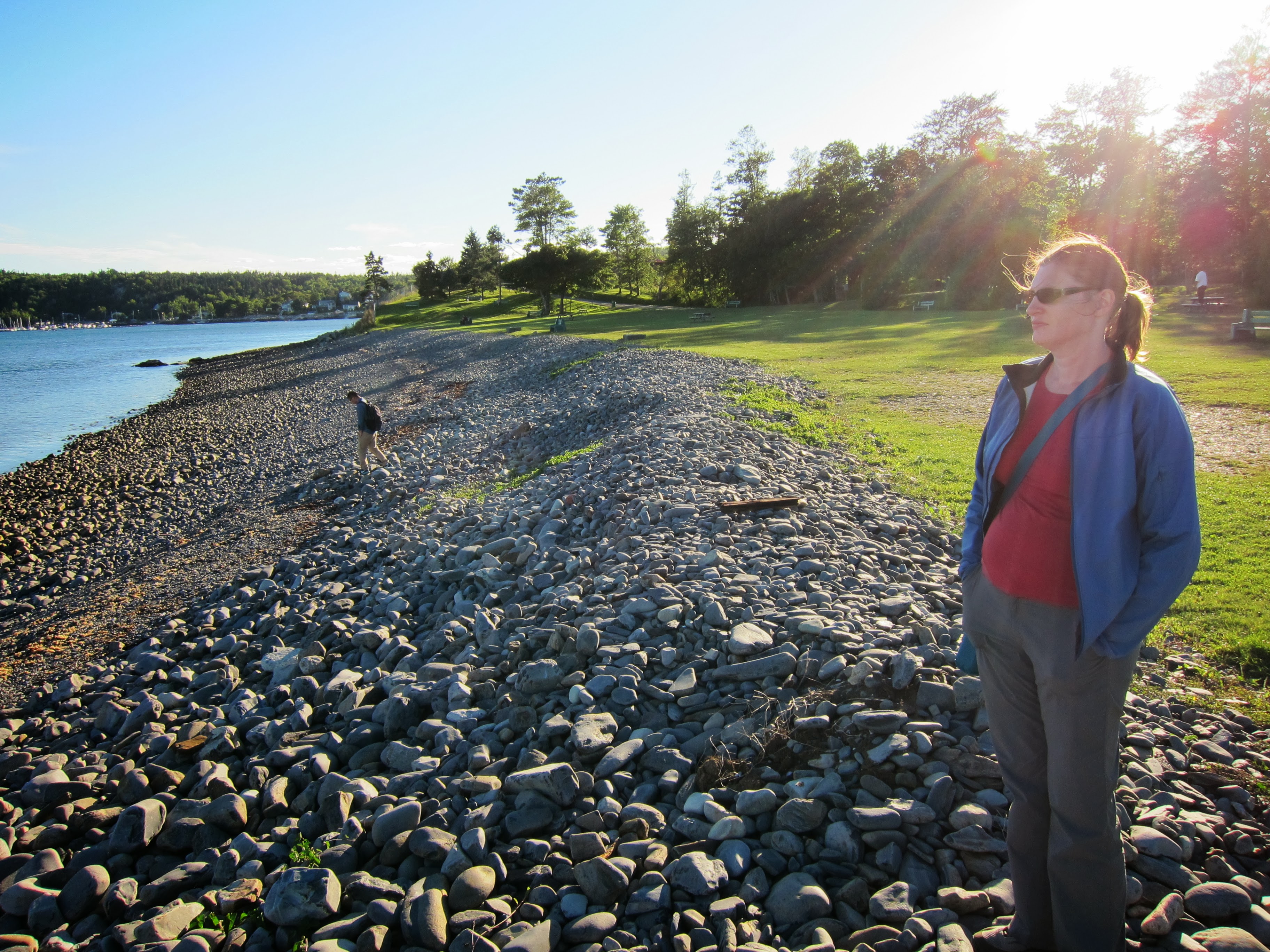
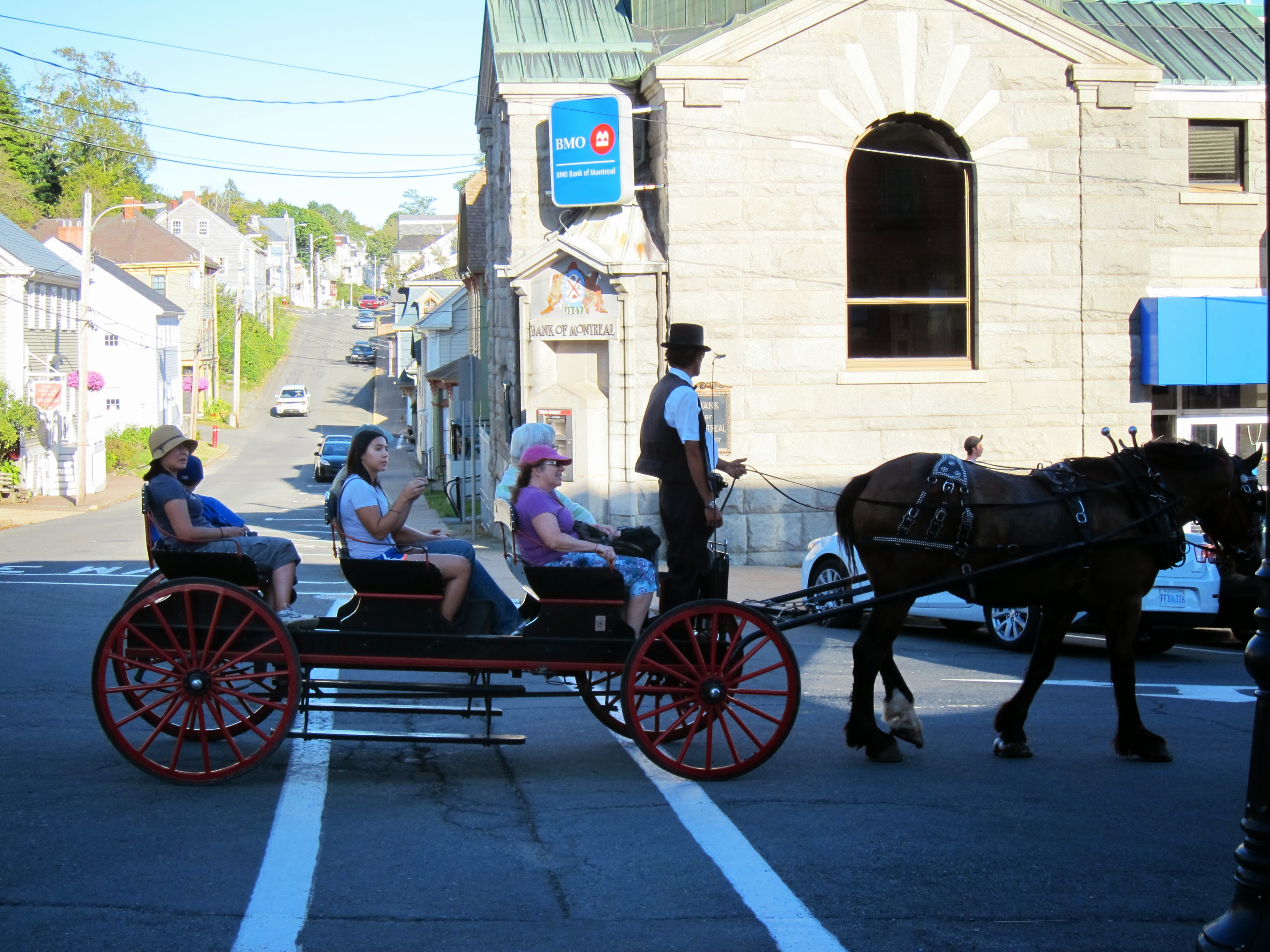
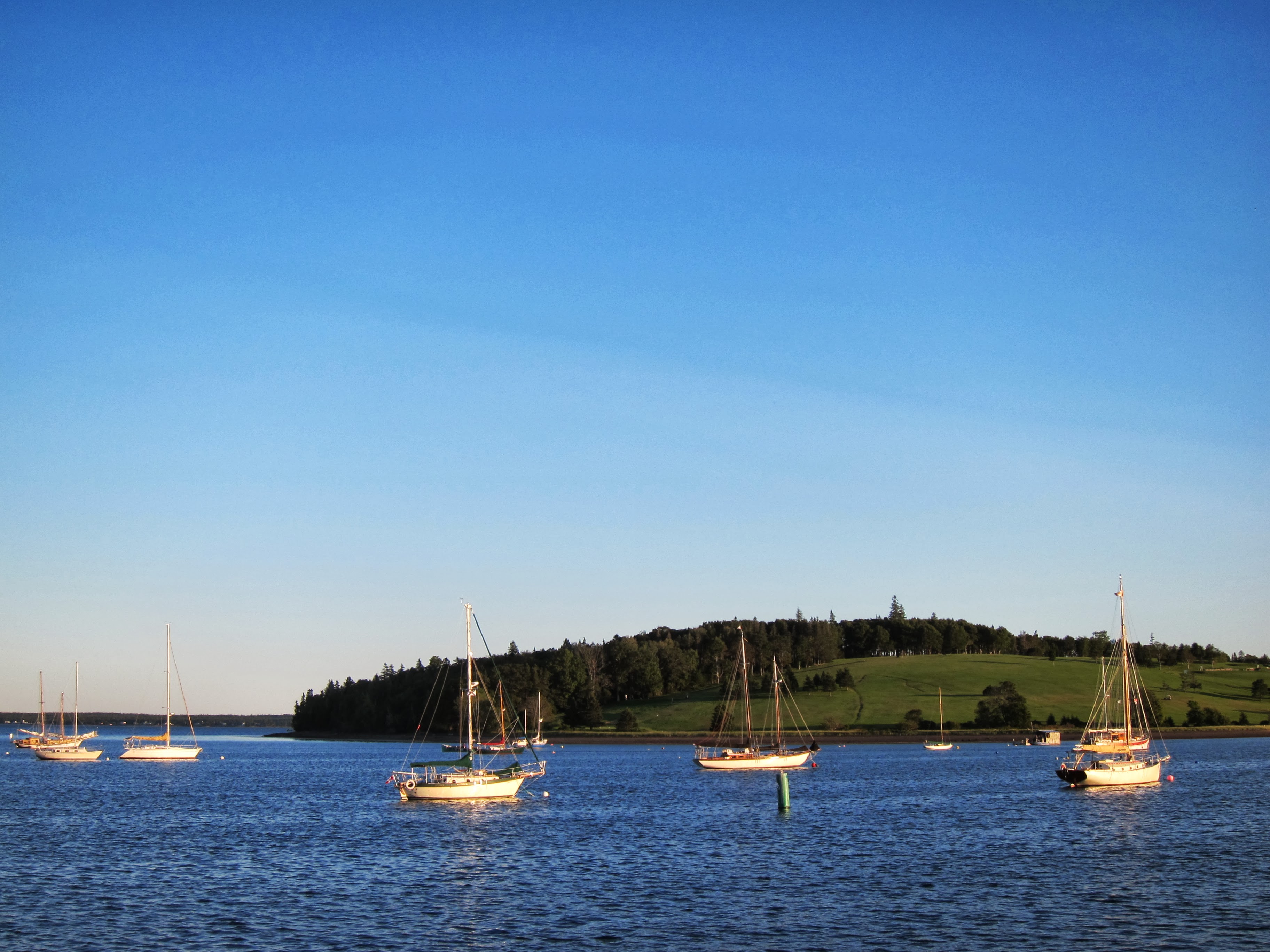
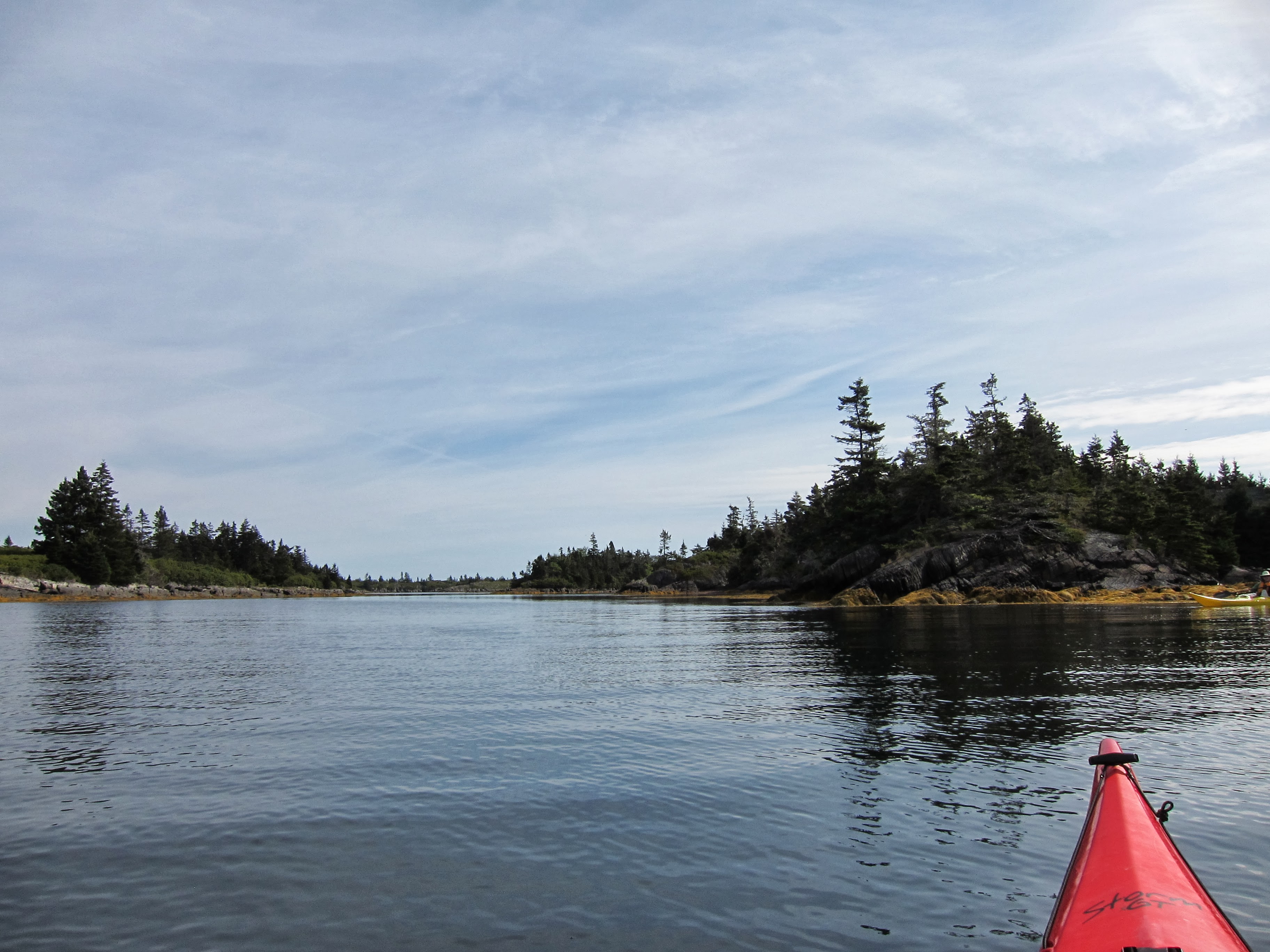
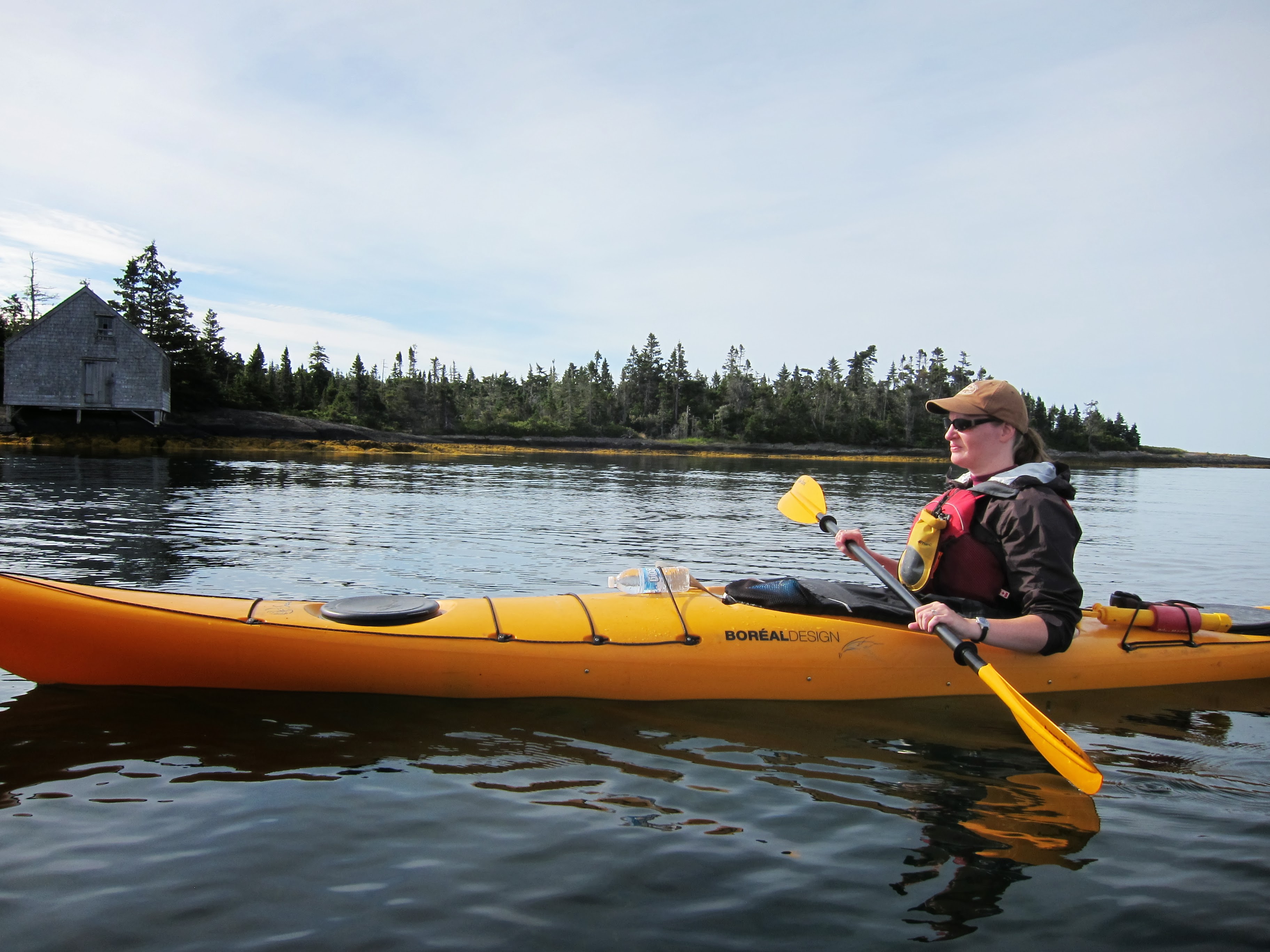
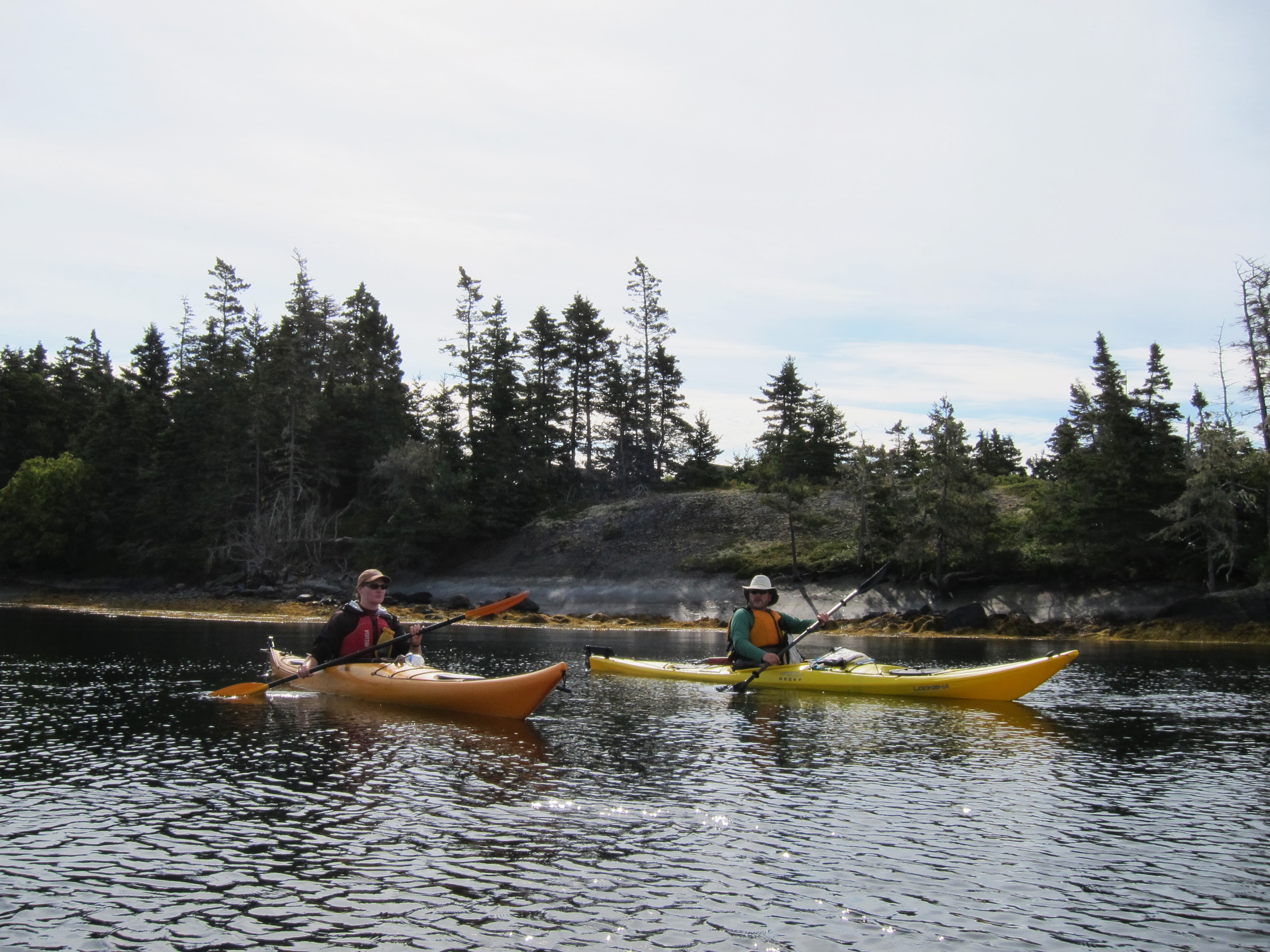
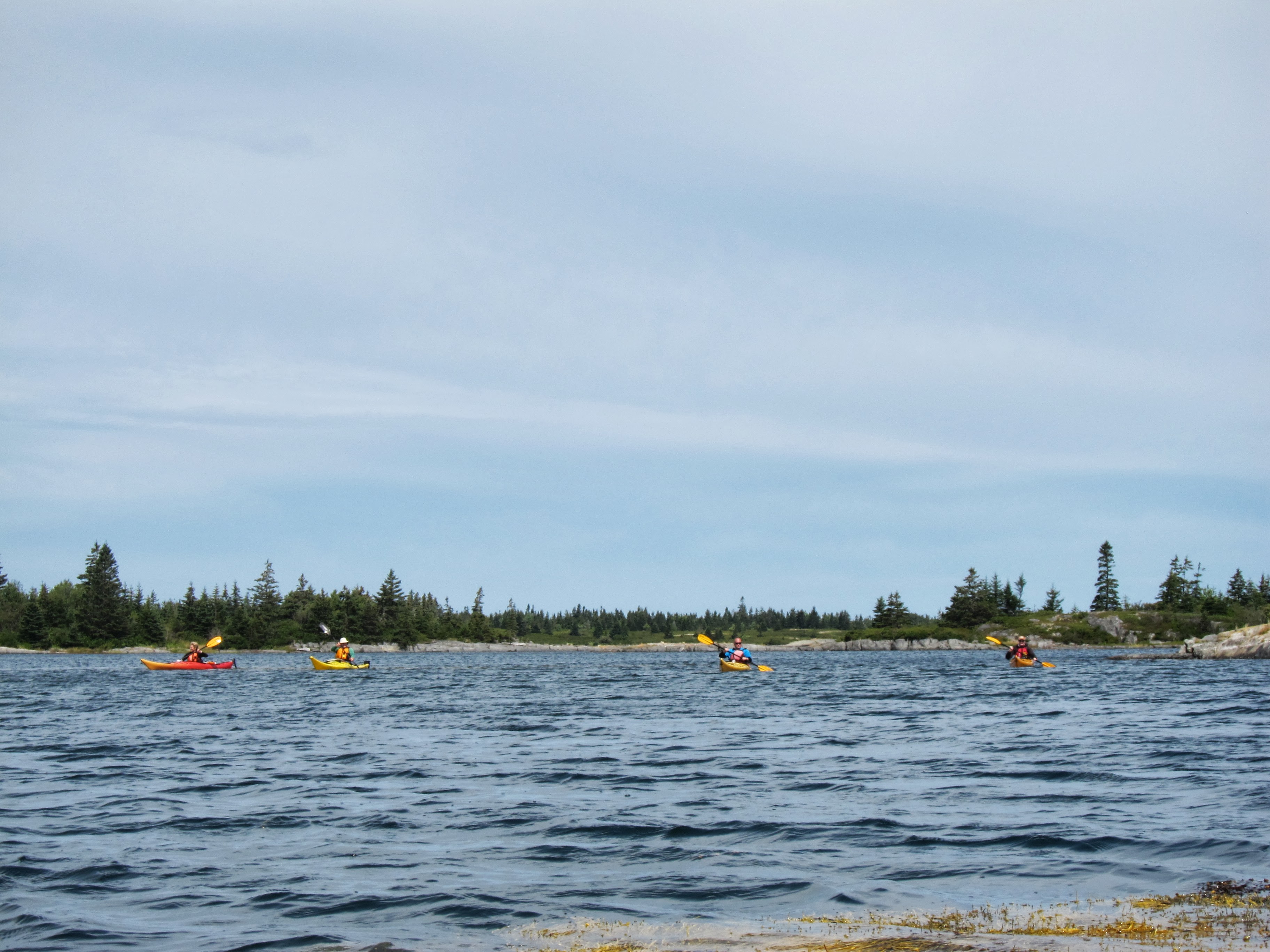
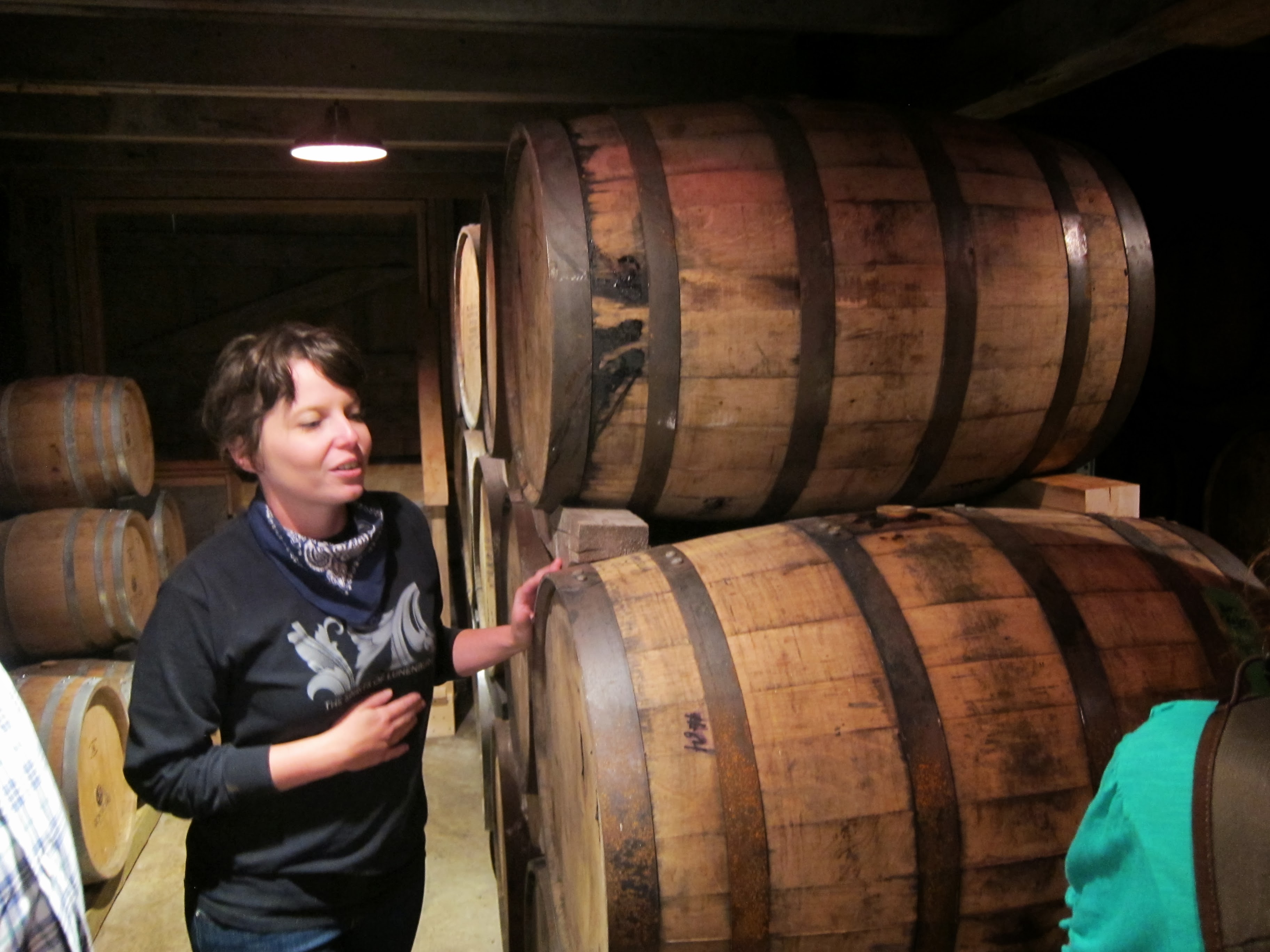
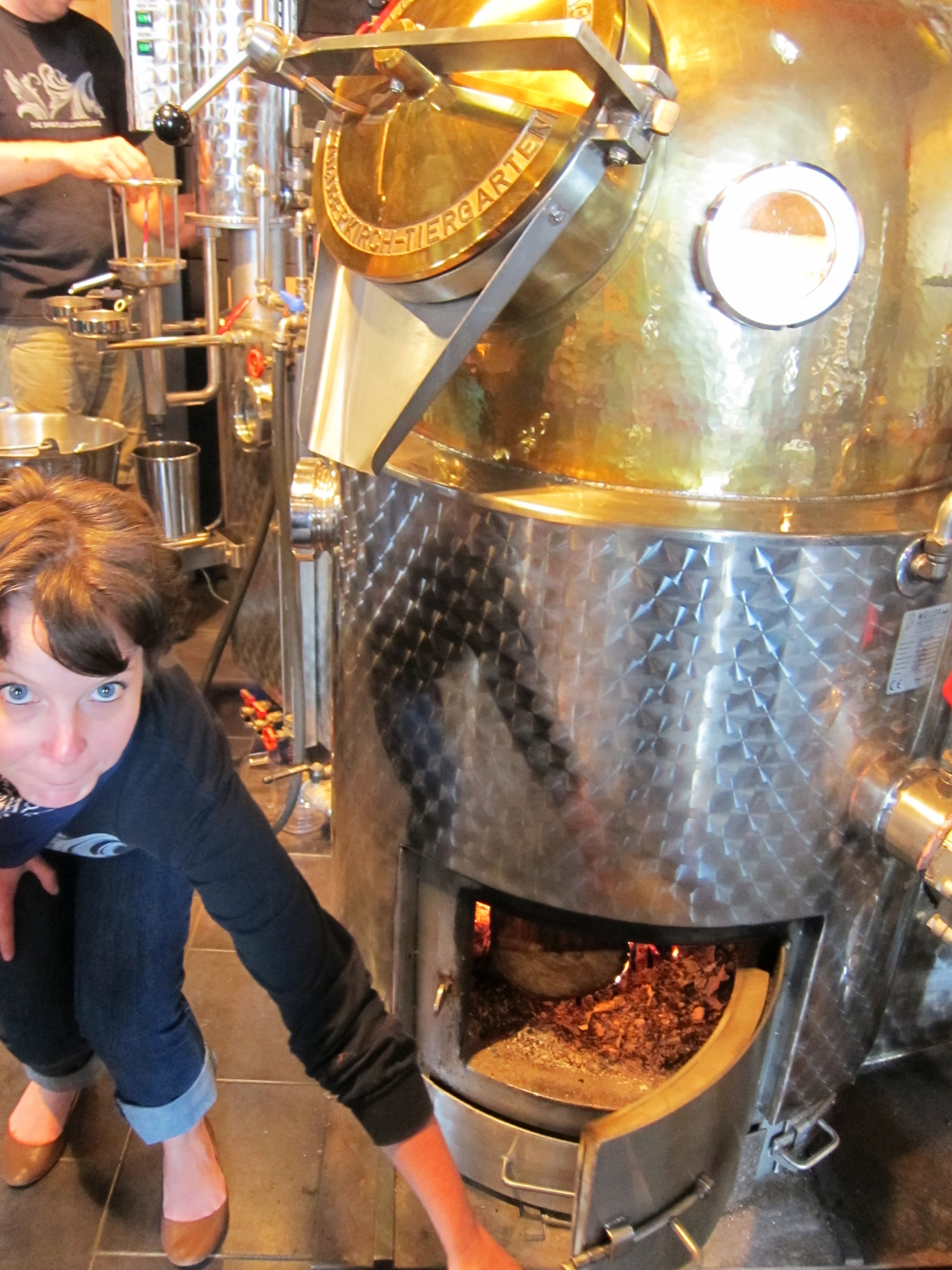
Only an hour away from Halifax, but seemingly a hundred years distant. This was a recommendation by my friend Bob, which I highly appreciate. Here we finally took to the water, in kayaks for a wonderful tour of the Blue Rock formations, and finally put the car on a ferry for the first and only time on the trip. We drank from a small batch distillery, and loaded up to the legal limit to bring home. And we had some of our best breakfast conversations of the trip with other B&B guests.

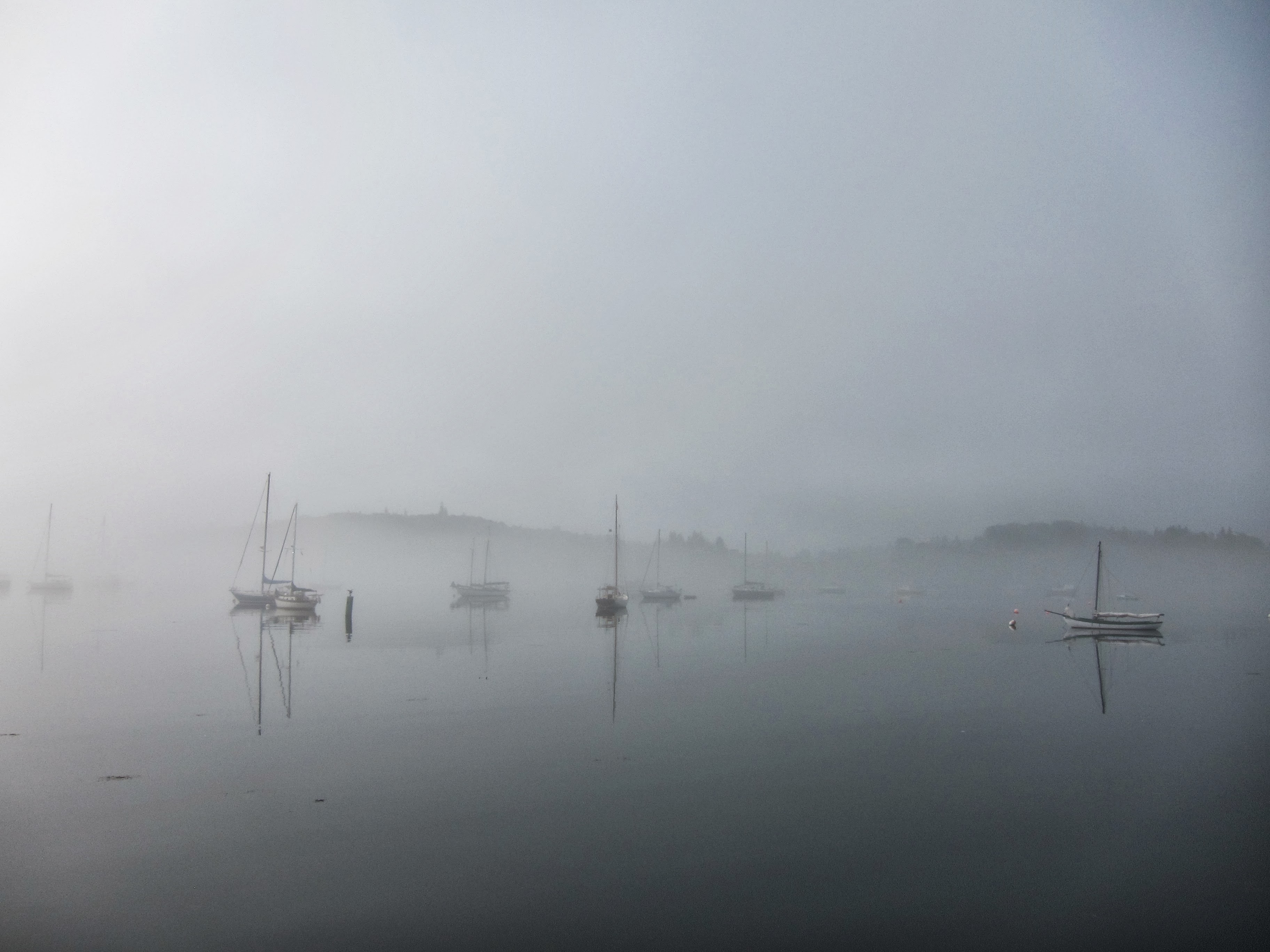
We also had foggy mornings, for the first time in the trip. We had such ridiculous luck with weather on this trip.

Returning Home: Saint John & Freeport Maine

And then there was nothing left to do but start our journey home. We got a great recommendation from our Inn keeper in Lunenburg to stop off at the Shubenacadie Wildlife Park on the way to Saint John. It broke up the drive, and let us get some views of cougars, coyotes, elk, hawks, and beasts of all varieties.

In Saint John we ended up with a breakfast table full of Americans, that were largely doing versions of the same trip we were. One couple had been in Stonington for a week, we probably missed them by a few days on that end.

When Susan realized that our return trip could include stopping off at the LL Bean flagship store, it became a must do. So Freeport it was as our final stop. We did manage to stay at a very cool B&B run by an elderly couple who grew up in the area. So they had history, had known LL a bit (the wife grew up in the house, which was across from where LL's house once was). There was plenty of shopping, but also a great deck to sit out on.

Home now, for a couple of days, I'm still getting used to the idea of not living out of a car. We're processing laundry, in volume, and readjusting to home, slowly. That afterglow of the vacation is still here though, and the more I think about this trip, the more I am amazed that it was only 17 days. It was so packed with experience and adventure that it feels like the vacation started last year, not 2.5 weeks ago.

I can't wait for the next grand adventure like this.
Related: What if... the book · Harvest time · The Deck Project Begins

A tale of two border crossings

Note: everything else about the vacation is going to be positive, but I needed to mini rant about this one. One of the unfortunate things about leaving the country is returning. Not because it's not great to come home, but because of the stark contrast between border crossing outbound, and border crossing inbound. I've done this border crossing enough that when going to Canada I plan that entering Canada adds 15 mins to the drive, entering the US adds 1 hour to the drive. Here's how it went this time. Entering Canada No line of cars, pull up to security checkpoint, stop, hand over our passports.

Guard: hey folks, where are you going today?

Me: Vacationing in Nova Scotia for the next couple of weeks.

Guard: Any Tabaco or Alcohol? Me: Half a bottle of Port. Guard: ok, but no Tabaco or Firearms? Me: Nope. Guard: how long you going to be here? Me: About two weeks. Guard: Ok, enjoy the vacation. Elapsed time: 3 minutes   Crossing back to the US Wait in line for 10 minutes in line of cars. Get to booth, stop, hand over our passports.

Guard: hey folks, where you headed? Me: home to Poughkeepsie, NY, back from a couple weeks vacation.

Guard: how long... oh you said a couple of weeks.

Me: yep, about two weeks. Guard: any alcohol or tabacco? Me: yes, we're bringing by alcohol from a distillery in Canada

Guard is typing away with passports, not actually paying attention.

Guard: what was that, sorry? Me: we've got some alcohol from Canada. Guard: how much and what kind? Me: 3L, some vodka, rum, a couple other types.

Guard: that's from a Canadian distillery right, not Cuban?

Me: yep, from a microdistillery down in Luneburg.

Guard: ok, any Tabaco? Me: no Guard: can you roll down your back window? Me: sure Guard: you folks bringing any produce back into the states?

Susan: I think we've got some celery and a pepper in the cooler.

Guard: the celery is ok, but we'll need to take the pepper.

Susan: ok, if it matters they both actually came from the US.

Guard: doesn't matter miss. Where is this?

Me: in the cooler in the back. Guard: can you pop the trunk sir? Me: should be open. Guard goes to back, opens it, struggles with the cooler a little bit.

Me: would you like any help? Guard: no, sir, stay in the car. Guard gets back to the guard station, elicit pepper that's been travelling with us for two weeks in hand. Guard goes back to typing on computer.

Guard: miss, did you loose you passport at some point?

Susan: yes, my bag was stolen in India back in 2000-2001 with my passport.

Guard: (type type type) ok, we'll need you folks to pull to the side up there. Please pull into bay #2 and go inside.

We pull into bay #2, there is a big sign that says "wait for guard".

Me: hmmm... so do we wait, or go in? Susan: I don't know, lets wait, they'll tell us what they want.

A couple of minutes pass, Guard hands off passports to Guard #2 chats to him a bit, then walks over to our car.

Guard: folks, I need you to go inside. Me: no problem. Go inside, come up to desk. Guard #2 and Guard #3 start typing at things and looking at passports and us. Guard #3 seems to have gotten the role of checking out our passports.

Guard #3: so miss, you lost your passport?

Susan: yes, my bag was stolen in India, back in 2000, so I had to get a replacement.

Guard #3: ok, and this passport is a renewal? Susan: yes. Guard #3: so this would be your third passport, so to speak? Susan: correct. Guard #3: when were you folks last in Canada?

Me: we were just trying to sort that out. I think I was last here in Ottawa back around 2007.

Susan: I think my last time was 2005 when we did a Vancouver trip.

Guard #3: what about 2008, 2009? Me: huh, no I don't think we were here then.

Guard #3 is now clearly looking at our other travel records, but he didn't actually tell us he was interested in anything beyond Canada.

Guard #3: where else did you travel in 2009?

Me: ... I think that might have been India, or maybe that was the year before. We were in Germany around then as well.

(honestly, we travel enough, that I have a hard time keeping the order of trips sorted, especially being 4 years ago).

Guard #1 comes back, Guard #3 and #1 start trying to find something on the computer. Some linke. Guard #3 asks what he's actually supposed to do. Guard #1 says go to some system, plug in her (Susan's) name and birthday.

Guard #1: hey folks, can you take a seat for a moment.

Note, there aren't any seats, but there is a stone window sill on the other side of the room. We go and sit there.

There is typing, and more typing. Guard #1 comes and goes. At some point I think Guard #1 had to log into something with his credentials because Guard #3 couldn't get into the system they needed. About 10 minutes pass, Susan and I chit chatting during it. Guard #3 calls us up.

Guard #3: miss, what is your mother's maiden name?

Susan responds with her mom's full maiden name, first and last.

Guard #3: what was that? (clearly he was expecting only last name) Susan repeats. Guard #3: ok. (Hands back our passports) you folks are free to go.

We walk out the door and head out. Total elapsed time: 40 minutes Note, this isn't the first time that Susan's gotten pulled aside because of the stolen passport, though they only seemed to start doing it in 2008 (back from India, where they didn't want to let her get on the plane without a second form of ID), and 2009 (on our trip from Germany where Susan got swept off into a back room for 30 minutes after we landed). My guess is they implemented a new software system that flags more people. I'd have thought that after a few of these conversations they'd have annotated the records, but apparently our tax dollars hard at work means that they really like talking to her on every border crossing. Especially given that the stolen passport wouldn't even have valid dates on it any more, because it was 12 years ago that it was stolen.

Realistically this was still less than the hour I'd allocated for the crossing. But it just always frustrates me that border crossing back to our own country is such a dreadful experience, and a think I always loath at the end of the trip.

Related: India Reflections · Last Gas(p) · What I'll miss on TV in 4 weeks

Using a foreign Sim in a Verizon Samsung Galaxy S3

One of the the things I was testing on this vacation was getting a foreign sim card to work on my Verizon Samsung Galaxy S3. LTE phones on Verizon all take sim cards now, and as of the 4.1 update for the S3 it's supposedly unlocked as a world phone, at least the internet largely said so. As a dry run for the Hong Kong OpenStack summit I wanted to figure out if this was true or not by trying it in Canada. Adventure #1: finding a Rogers Rogers is one of the big telcos in Canada, and has a pay as you go plan with data. This seemed to be the best bet to figure this all out. Finding an actual Rogers though, turned out harder than expected. The address we had for Saint John didn't have anything obvious, and unlike the states, there wasn't a cell phone store in every little town. That meant that by the time we actually found a Rogers it was about 3 days into Canada, in Truro, in the mall.

The last time I did this was with a pre-smart phone in Germany, where their were telco stores in every transit hub, so I hadn't actually expected the stores to be that sparse. Adventure #2: the sim Apparently the way I read everything online was only about half of what's actually going on with Rogers. The prepaid plans existed, were a little differently structured than I expected.

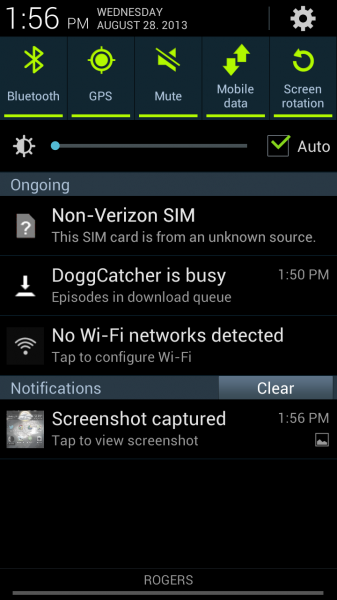
The Rogers rep was very skeptical that a Verizon phone was going to take a Rogers sim, but they popped one out anyway, we rebooted the phone, and it didn't lock out. It just showed a little funny icon in the notification area that there was a non-verizon sim in there.   Screenshot of non-Verizon SIM notification

This isn't actually a problem, and you can long hold on it, realize the Setup Wizard is the app causing it, and kill it. Then you don't need to look at it until a reboot, or about a week (it came back later for me which is how I got the screen shot).

Some time on the phone from the Rogers office and I had a Halifax number, a 500 MB data allowance, and some credit for overruns on phone and texting. It cost me about $60 CAD. The cell phone was on their network, Rogers sent me a few texts with my number, and off we went to Cape Breton. Adventure #3: data On the drive to Cape Breton, I realized there was no data service on the phone. That was kind of the point of all this, to have data. Of course without internet, it was hard to debug. Also, complicating things, was the fact that Cape Breton is a bit sparse on cell coverage. Which meant even if I could figure out a fix, it wasn't really testable up there. A couple days in I started searching to figure out what the deal was, and eventually I got to the bottom of it.

While the Rogers sim did everything correct to get on the phone network, and the radios all worked for that, to get on the data network you need to define an APN. Pre Android 4.0 there were APIs for this. Post Android 4.0 there are not, however on the S3 you can manually create an APN. There is this good app in the market called Offline SIM APN Database which has all these settings, and lets you copy and paste them easily. A couple of minutes later you'll have defined an APN. After that, reboot, it doesn't really like to take APN definitions live.

So when we were leaving Cape Breton headed to Halifax, on the highway, back in civilization I finally had data on the phone. Just let it prefer Global mode and it was working. However, pretty quickly I noticed it was edge only. Adventure #4: edge Edge is basically the GSM version of 1xRTT (for people that live in CDMA land), and is slow. More searching basically led me to the fact that this was as good as it was getting on the S3. While the S3 was eventually opened up to be a global phone, it didn't start that way, and it wasn't really a design point for the Verizon version which added the 700 Mhz LTE radio. So the silicon doesn't have 2100 Mhz, which is basically where most GSM telcos implement HSPA, their 3G. So we were on Edge for the whole trip where we had data.

Things that work fine on edge (even though they are slow): Google Maps, Foursquare, Facebook, Gmail

Things that get goofy on edge: Untappd, Accuweather (both seem way to data hunger, and not very happy if things reset connections).

I turned off sync while on the Rogers sim. Given the slowness of data this was very helpful for battery life, and for not having something else in the way when I wanted the data connection. Conclusion: it works At the end of the day, this all worked. Not having 3G was annoying, but fine. From what I can tell the S4 has all the radios to do 3G on GSM, as do some of the more recent Motorola phones on Verizon. Alternatives: Verizon International Plans When I finally figured out the APN issue, I also found my way to Verizon's international plans. They aren't actually all that bad, especially if you are trapped on edge, so data isn't going to be used all that heavily. And even more so with Canada, which after you add the international plan, all the calls and texts are free.

I think that for future Canada trips (especially if we're there for something shorter) we'll just enable that on our phones instead of doing the sim route. However, on this trip the sim route was a learning experience as much as anything else. Update (Jan 4 2014): Hong Kong Because this post is getting a bunch of new finds on "the google", I wanted to add a little more data. I went to Hong Kong a couple months after this. There I was able to get a 7 day unlimitted data sim for ~ $12 US. They set it up in the kiosk and I was online in about 5 minutes.

In Hong Kong I actually had 3G (HSPA+). So realize that 3G bands vary by country, and whether you'll get 3G on your phone is actually hard to completely figure out in advance.

Also, I'm on Verizon stock firmware, and I've had friends have difficulty with this on Cyanogen mod on Verizon phones.

Related: I've got an Android in my pocket · A smart phone vs. a cloud access point · Exciting times in mobile

Disconnecting for Vacation

I learned something interesting over these last two weeks, which is how to disconnect from work on vacation without loosing the connection to home and friends. In a connected age, it's hard to get one without the other, but it turns out that the way I've set up my social networks I have a reasonable balance.

Step #1 - Turn off Twitter - I really love twitter, it's where I spend most of my social time. But the downside in being so connected to so many other stackers is that twitter pulls me back into a work mindset. Basically after our first two nights out I realized I need to just give up twitter for the duration to really disconnect.

Step #2 - Stop reading RSS - I basically just stopped from about two nights in, until this morning. The world could do it's own thing for the last two weeks, and I'm happy with that. And in general stop reading news. That can all wait until I get home.

Step #3 - Facebook. I actually used facebook more than I usually do during the vacation. Once or twice a day I could post something fun from the vacation, and once I figured out the perennial misconfiguration of my eyefi card, I was able to post pictures from the trip from my real camera, via my cell phone.

Step #4 - Foursquare. I really seem to use Foursquare mostly when traveling. It's kind of a travel log for me to go back and see things later.

I'm slowly starting to reconnect now, probably not fully until I get back to the office on Tuesday. But this strategy worked well enough on this long trip that I think I'll be using it again in the future. Definitely curious what other folks use to disconnect on vacation.

Related: Still on Vacation... · Vacation Route (roughly) · Vacation Toolbox: Eyefi Card

Kids and Computers

It's a common thread among computer professional to complain about "kids these days" when we look at potential new hires. It's always hard to separate how much of that is real vs. how much of it is what people do when they get older, i.e. complain about those young-uns that are on your lawn.

So this was an interesting refreshing look at what it means that Kids can't use computers, especially when it comes to what we screwed up on.

But the curriculum isn’t the only area in which we’ve messed up. Our network infrastructures in UK schools is equally to blame. We’ve mirrored corporate networks, preventing kids and teachers access to system settings, the command line and requiring admin rights to do almost anything. They’re sitting at a general purpose computer without the ability to do any general purpose computing. They have access to a few applications and that’s all. The computers access the internet through proxy servers that aggressively filter anything less bland than Wikipedia, and most schools have additional filtering software on-top so that they can maintain a white-list of ‘suitable sites’.

I hadn't thought about that perspective before, but in playing network lock down, you reduce computing skills. I actually wonder if this same problem is happening at corporate networks as well, and one of the reasons large companies get so bad at organic innovation. Lock everything down, and no one can actually explore new ideas. Via @anteaya.

Related: Comic: Get kids to learn science · Parents: Talk to you kids about Linux... before somebody else does · What is computer programming?

A new Cosmos

Even though I was only 4 at the time, Cosmos left a distinct impression on my when I was a kid. My path into science and engineering probably can be traced back to being filled with things like Cosmos and NOVA during my formative years by my parents, something made easier by the fact that PBS was one of only 3 channels we got over the air on our 13" TV.

A few years ago I watched through all of Cosmos again. There were things I remembered, things that I didn't. And, while certain things look dated, the material surprisingly holds up quite well. More importantly, it was still inspiring, and still held really interesting ideas to ponder.

So I am incredibly excited that we're going to get a new Cosmos this spring. The teaser for this was released at Comic Con this year and is amazing

I seriously can't wait. I love the fact that they kept the starship of the mind as part of this, and the cosmic calendar. And I love that this is going to be network TV, not hidden off in a specialty cable channel.
Related: New Cosmos · Why I'm excited for Google TV · A new way to find something good on TV

Tools vs. Process

From Rafe Colburn's post on Seven signs of dysfunctional engineering teams:

Preference for process over tools. As engineering teams grow, there are many approaches to coordinating people’s work. Most of them are some combination of process and tools. Git is a tool that enables multiple people to work on the same code base efficiently (most of the time). A team may also design a process around Git — avoiding the use of remote branches, only pushing code that’s ready to deploy to the master branch, or requiring people to use local branches for all of their development. Healthy teams generally try to address their scaling problems with tools, not additional process. Processes are hard to turn into habits, hard to teach to new team members, and often evolve too slowly to keep pace with changing circumstances.

You can think of it another way, tools encode behavior in a way that takes away choices. Which is great, because then you don't have to worry about making the wrong choice. Then you can focus your mental energies on real problems.

Related: Software Engineering Talk at Vassar College · Productivity Tip: Learn your tools · Software in the era of drive by contribution

OpenStack Infrastructure Bootcamp

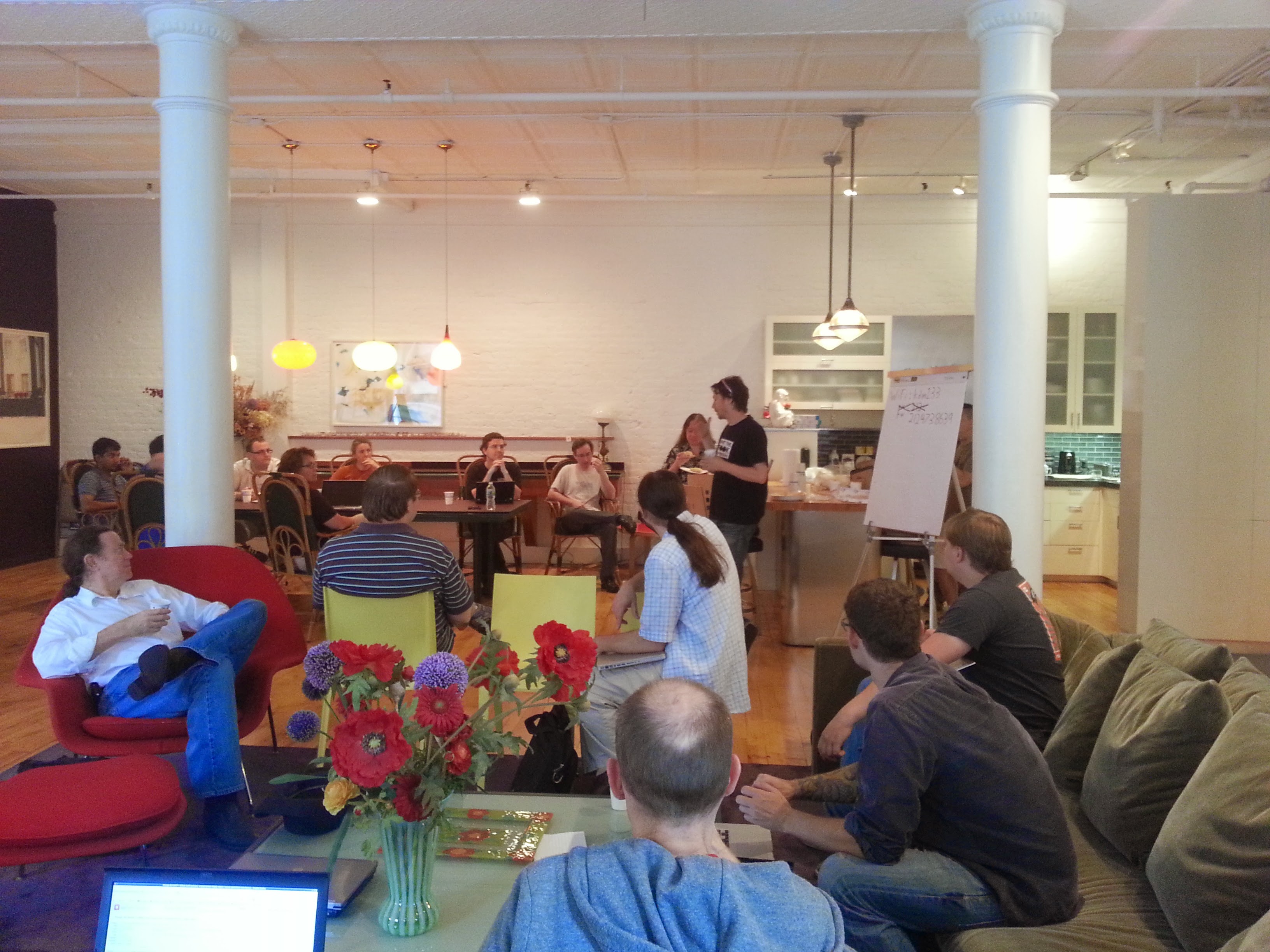
It was a cool week for OpenStack gatherings. Down in Washington DC an OpenStack Security Book Sprint was happening, while up in New York City, 20 of us were gathered for an OpenStack Infrastructure Bootcamp. OpenStack Infrastructure Bootcamp participants gathered at a table in NYC, June 2013

Why do an infrastructure bootcamp? OpenStack, as a project, is really breaking some interesting new ground when it comes to software process flow and continuous integration. Unlike other projects, that test after code has landed in upstream master, we've got this incredible pre-merge test system that ensures that upstream master won't be broken. It's a system you need when you have over 550 contributors during a six month cycle. This is something beyond Continuous Integration as people normally think about it, though we realized we're still quite lacking the words to describe it concisely.

This bootcamp was a great chance to go through that, in detail, and expose some of the areas where more contributors are needed to accelerate the project even further. We had all the "coremudgeons" of OpenStack infrastructure (Monty, Jim, Clark, and Jeremy), folks like myself that have landed some patches, or helped with specific efforts, and folks that were new to the whole thing, and just wanted to learn. Some of this I'd seen before, other bits I saw for the first time, and the whole system now makes more sense in my own head.

There were dinner and drinks after day one (the only day I could attend, sadly), and further ideas for improving the whole system flowed over beer, wine, food, and good company. I was struck again, during all of this, just how amazing of a community OpenStack is. We got 20 people together not to discuss or plan out features on OpenStack, but for features and improvements on the systems that facility OpenStack development. The kind of things we're working towards are as advanced as semi-automatic failure coloration on build logs, to find statistically infrequent race conditions, upstream, instead of ever letting that hit a user in production. Awesome stuff.

Extra special thanks to Monty Taylor for pulling this together. It was no small task, and this wouldn't have been possible without all his hard work on logistics to make it happen.

Related: The OpenStack Gate · How an Idea becomes a Commit in OpenStack · OpenStack as Layers

My thoughts from TEDx Longdock

The moment I found out that someone was running a TEDx in our area, I was intrigued. The moment I realized John Rooney was one of the organizers, I signed up, as I knew this would be good. I was not disappointed.

The TEDx Long Dock event had a nebulous theme going into it. If I had to extract the theme afterwards it was about connections and community. Some remarkable people were there. Incredible stories of creation that were inspiring. I walked out of something from almost every talk, however after a couple of days of reflection I think there are a couple that will stick with me the most.

Will Etundi gave a talk near the end of the day on the importance of celebration, just how much turning anything into celebration changes the conversation, tone, and productivity of everyone involved. He gave a challenge to deliberately celebrate something every week, be  it big or small. I'm all in on that.

Sarah Jacob gave possibly the tightest and most TED light talk of the event, on how Tango changed her life, got her connected, and the importance of connection in everything we do. It was even followed up with a dance on stage, which was truly amazing. This is one of the talks that I want to see again, and can't wait until the video is posted.

The funniest talk of the day goes to John Cappello, a lawyer, who gave an overview of the planning process in NY, and what his ideal town would be and how they'd use it. People think of the comprehensive plans as a way to stop things you don't like, but forget that the comprehensive plans are just as much a tool to create the kind of community you want. I also am with him that every town needs a brewery.

More bits of inspiration from this day keep tricking into my head. I woke up from a nap this afternoon with the song we ended the day on looping in my brain, which means I'm probably about half way through my sub conscience digesting it all.

I'm hopeful this is the start of an annual event. Even if it wasn't under the TEDx brand, I'd be back. The organizers all did an incredible job, and a very amazing day came out of the whole thing.

Related: Drupal Talk Roundup · My Thoughts on the Central PA Open Source Conference · Upcoming Talk: Getting Involved in Open Source