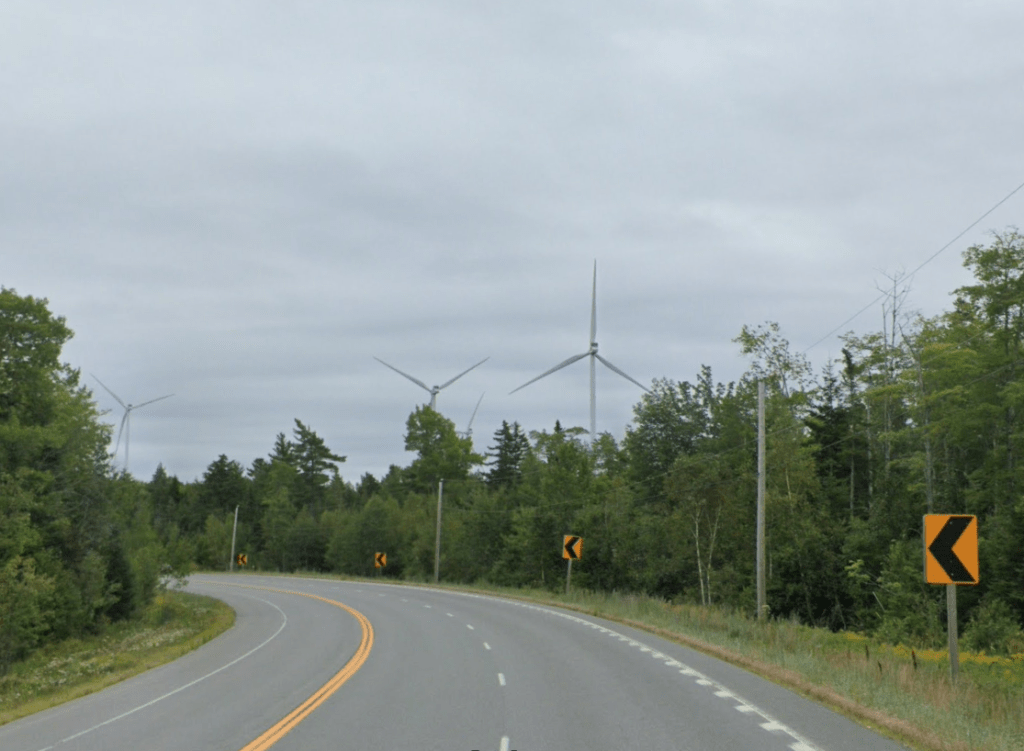
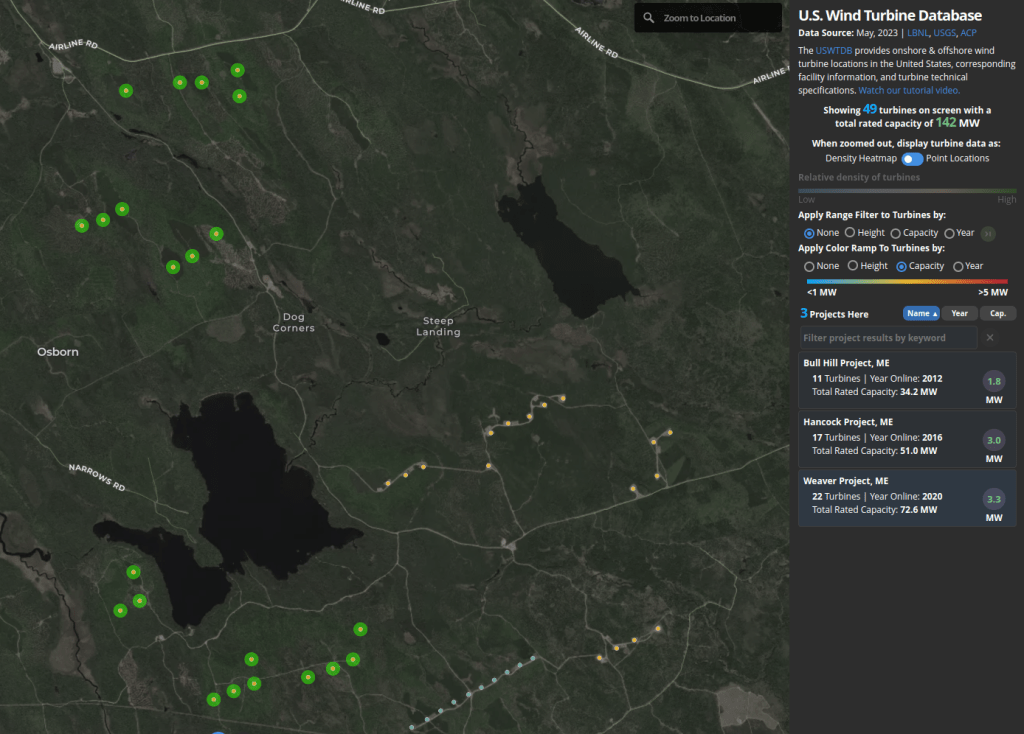
It's been a while since I did one of these "what I'm listening to" posts. Since the last one, a bunch of things have changed: I've gotten deeply into climate work for volunteerism (so podcast skew really heavily in that direction). Also, my commute to the Yorktown office is about 50 minutes each way, which means 2 - 3 days a week I've got a lot of car time.
Podcasts
There are a few podcasts that I keep top of Queue and listen to pretty much everything they come out with.
Space the Nation

Pure joy. Science fiction is my comfort genre, and to have a podcast where two people who both love the genre, but also bring this amazing lens of how these works interact with theories of international relations and societal critiques, is just joy.
Anna Marie Cox and Dan Dresner started this as an Expanse recap show when Syfy was still doing podcasts, but they kept with it, well beyond. Their Andor recaps are some of the best.
Volts

It hard to overstate how useful Volts is as a source of information for climate folks. David Roberts pulls in some of the most amazing guests pushing on climate solutions, be it power transformers, steam boilers, housing reform, you name it. My passion for batteries and virtual power plant solutions came form this podcast.
I particularly love that David jumps way down the rabbit hole with these guests. He just keeps asking questions, going deep into layers that you don't get a lot of other places. If you are in the climate space, you have to listen to this.
Sirens
During the first Trump term, one podcast I really valued was Bombshell. Three incredible woman talking about national security, national defense, and foreign affairs, in a way that was unique and again at a depth I was not getting anywhere else. When Biden was elected, many of them went into the administration, and the show stopped.
Now, it's been revitalized as Sirens. It again brings a level of discussion and depth to the machinations of government and foreign relations that I've not found other places.
Shift Key
Robinson Meyer wrote my favorite piece of climate content ever, about land. A few years ago he started the heatmap news outlet, focused on becoming "the wired of climate". This podcast is part of that family.
This has had some of the best recent analysis on the impacts of the Iran war on fossil fuel flows, and how the world is adjusting to that in real time. I really value the way he digs into interviews. I do miss the upshift / downshift at the end of episodes they used to do, but this remains a go to.
Books
While I do have some other podcasts in my queue, I'm not getting to them at the moment because I started listening to audio books more regularly as well. I think these all need their own posts, but I'll just tease that I'm currently in the middle (late middle) of Ada Palmer's Inventing the Renaissance. It's really making me think a lot about the stories we tell ourselves, and the way narratives emerge.
Prior to that I listened to Curtis Dozier's The White Pedestal: How White Nationalists Use Ancient Greece and Rome to Justify Hate. Curtis is a dear friend, this was years of scholarship that I had the fortune to hear about in it's construction. I feel like there are parts of this book that are almost in dialogue with Palmer's in really interesting ways.
And before that, more history, Daniel Immerwahr's How to Hide and Empire. I learned a ton of US history out of this book. And because I'm an engineer, the chapter on standards was fascinating and hilarious all at the same time.
All these books I purchased through Libro.fm, supporting local bookstores. Something you can do as well.